New Construction

Renovation

Opportunity Zone

You Can't Reposition a Neighborhood with One Building

You Can't Reposition a Neighborhood with One Building

One building does not shift a market. Here is how concentrated ownership, internal construction, and integrated property management repositioned nearly 1,000 units across five years.

One building does not shift a market. Here is how concentrated ownership, internal construction, and integrated property management repositioned nearly 1,000 units across five years.

Savoy Group

Created:

Feb 26, 2026

Last Updated:

Feb 26, 2026

8 Buildings, 23 Projects, 1,000 Units: The Bishop Ridge Thesis

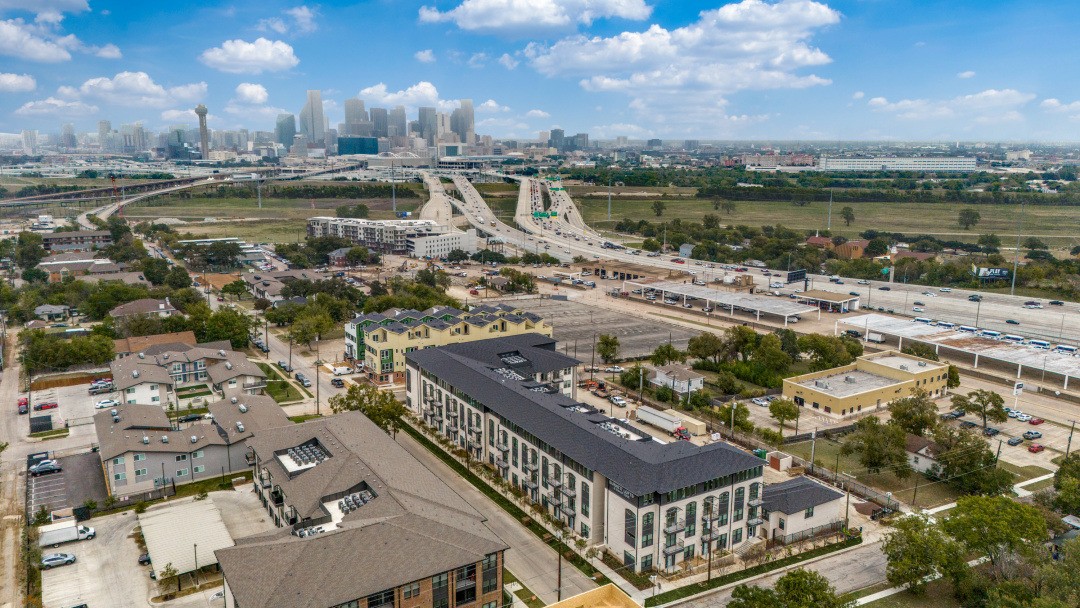
In 2020, North Oak Cliff had eight apartment buildings from a single absentee seller sitting at roughly 30 percent occupancy. One of the highest-crime areas in Dallas. Every building was blighted. Every building was surrounded by more blight.

Most buyers saw a distressed asset. We saw a controllable geography.

The area had natural boundaries that made it defensible: parks, the Trinity River, a highway corridor, and a cluster of public schools. It sat adjacent to the Bishop Arts District, which was already drawing investment. More than $1 billion in public infrastructure was planned or underway within a few miles. Over $50 million in school improvements were in the pipeline. The catalysts were real. What was missing was critical mass.

You cannot reposition a neighborhood with one building. You need enough density of ownership and enough pace of execution to shift the trajectory of an entire area before the market prices it in. That requires doing 20 or more projects simultaneously, buying, renovating, building, stabilizing, and leasing at a speed that no single-project sponsor can match.

Five Years of Execution

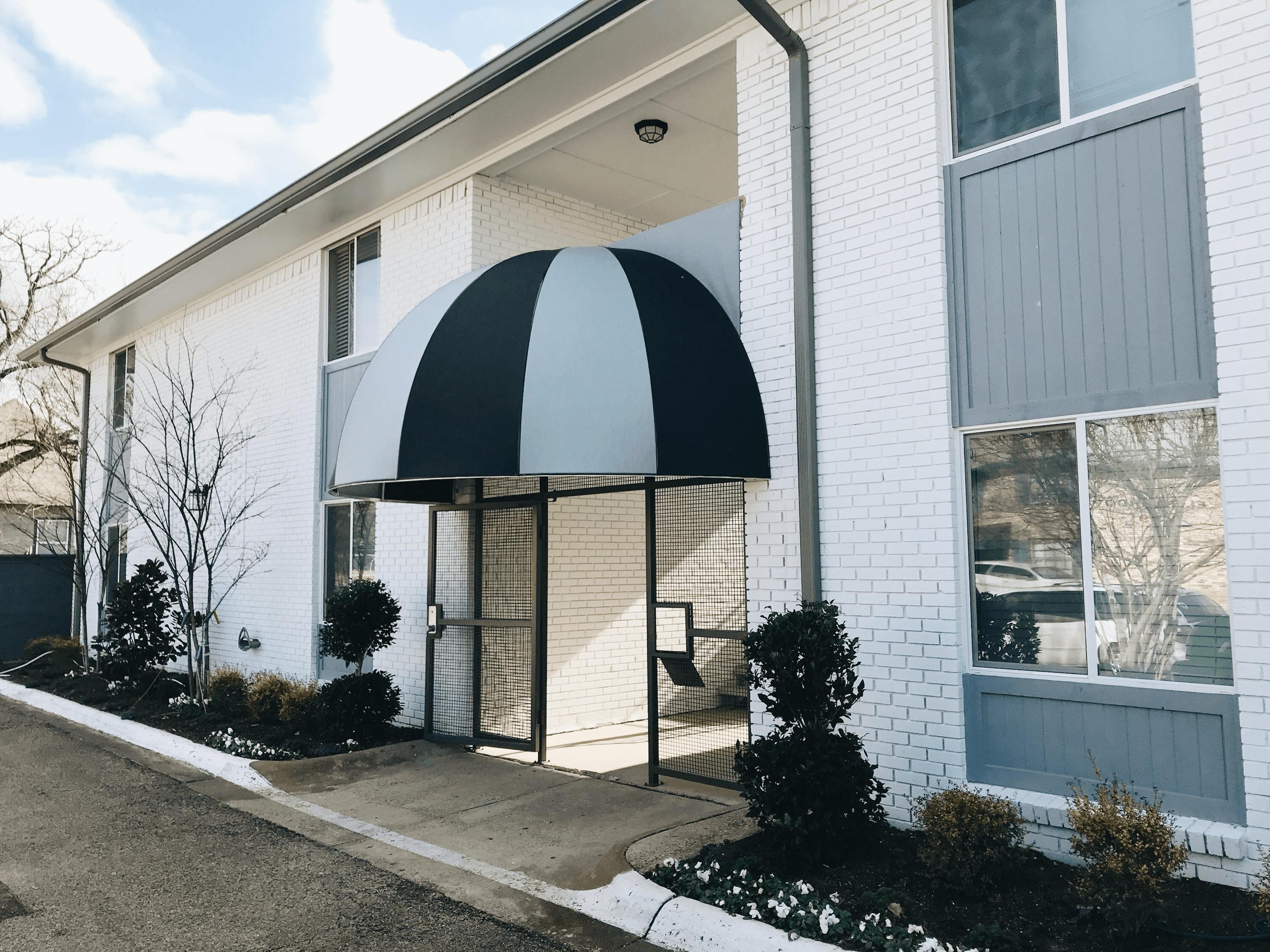
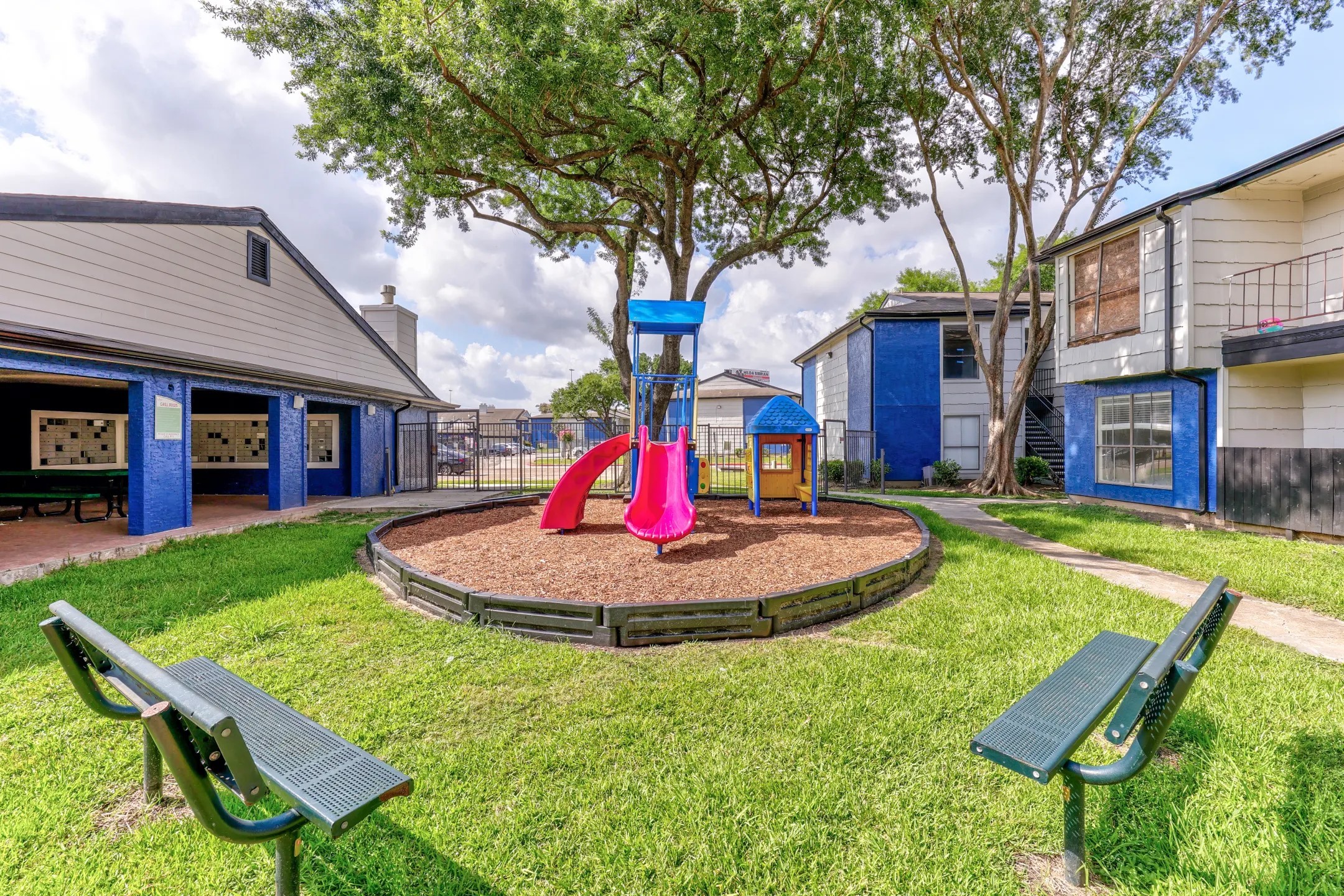
Five years later, Bishop Ridge is 23 projects: 16 renovations totaling 424 units and 7 new construction buildings adding over 500 units. We assembled more than 41 tax parcels from over 20 unique sellers. Today, 744 units are online, 127 are under construction, and 410 are in pre-development. We are approaching 1,000 total units in a neighborhood that most institutional capital would not touch when we started.

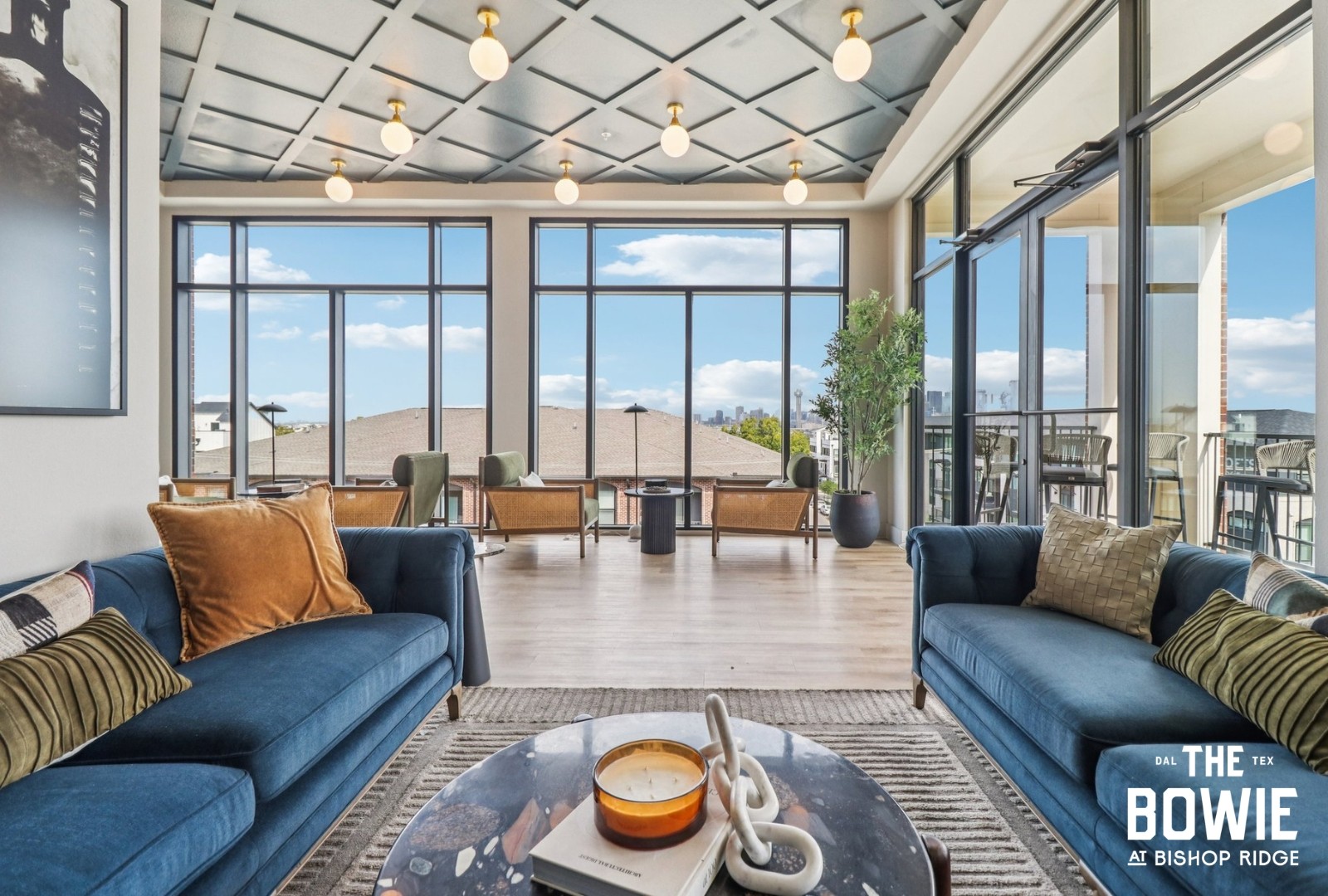
The portfolio is 80 percent leased, including assets delivered within the past six months. Our most recent delivery, the Bowie Apartments at 75 units, is in active lease-up. All of it is structured as Opportunity Zone investment with a 10-plus-year hold.

Why This Requires Owning the Entire Machine

To execute at this pace, you need your own GC controlling construction timelines across multiple simultaneous job sites. You need your own property management company stabilizing buildings as soon as units are delivered, not waiting months for a third-party manager to staff up. You need your own equity platform to fund projects sequentially without going back to market for every raise.

When we identify a renovation, our GC crews start within weeks. When units are complete, our residential team begins leasing immediately. When a new parcel becomes available, our equity team can underwrite and close without external approval cycles. The entire machine runs on internal coordination, and the speed compounds.

What the Results Look Like

The result is something that looks from the outside like a real estate portfolio but is actually a neighborhood repositioning. Crime has declined. Rents have moved. The surrounding area has responded. Not because of one project, but because of the density and consistency of execution across two dozen projects over five years.

This is the thesis behind Bishop Ridge: neighborhoods are systems, and systems change when you apply enough concentrated pressure at enough points simultaneously. But executing that thesis requires owning every part of the value chain. A sponsor who buys one building and hires a third-party GC and a third-party manager is making a bet on a neighborhood.

We are making the neighborhood.

There is a difference.

Other resources

Audience

Content Types

Topic
Owners

Blog

Renovation

The Headline Was the Foreclosure. The Real Story Was the Rebuild.

The foreclosure made news. The rebuild required security, evictions, construction, and unified execution. Here is how vertical integration stabilized 844 units and rebuilt value from 23 percent occupancy.

Learn more

Developers

Blog

New Construction

The $858,000 Fire Code Line Item Your GC Never Questioned

Most developers never question the line items their GC prices. Here is how treating an $858,000 fire code requirement as a policy issue protected returns and kept a Texas deal alive.

Learn more

Developers

Blog

New Construction

Renovation

Opportunity Zone

You Can't Reposition a Neighborhood with One Building

One building does not shift a market. Here is how concentrated ownership, internal construction, and integrated property management repositioned nearly 1,000 units across five years.

Learn more

Owners

Blog

Opportunity Zone

New Construction

The Year 1 Tax Benefit That Funds Itself 131 Times Over

Most investors understand depreciation in theory. Here is how a cost segregation study accelerated $3.7 million of basis and generated $656,000 in first-year tax savings.

Learn more

Owners

Blog

Renovation

Two Buildings, Same Neighborhood, 2.3x the NOI: The Case for Gut Renovation

Two identical-size buildings in the same neighborhood delivered radically different results. Here is how deeper renovation scope reduced expenses, stabilized performance, and doubled NOI.

Learn more

Owners

Blog

Property Management

Tenant Fraud Isn't Bad Luck. It's a Pattern with a Fix.

Fraud is not bad luck at scale. Here is how managing 6,000 units exposed an $8,000 per-tenant risk and how stricter screening reduced operating losses.

Learn more

Owners

Blog

Renovation

The Headline Was the Foreclosure. The Real Story Was the Rebuild.

The foreclosure made news. The rebuild required security, evictions, construction, and unified execution. Here is how vertical integration stabilized 844 units and rebuilt value from 23 percent occupancy.

Learn more

Developers

Blog

New Construction

The $858,000 Fire Code Line Item Your GC Never Questioned

Most developers never question the line items their GC prices. Here is how treating an $858,000 fire code requirement as a policy issue protected returns and kept a Texas deal alive.

Learn more

Developers

Blog

New Construction

Renovation

Opportunity Zone

You Can't Reposition a Neighborhood with One Building

One building does not shift a market. Here is how concentrated ownership, internal construction, and integrated property management repositioned nearly 1,000 units across five years.

Learn more

Owners

Blog

Opportunity Zone

New Construction

The Year 1 Tax Benefit That Funds Itself 131 Times Over

Most investors understand depreciation in theory. Here is how a cost segregation study accelerated $3.7 million of basis and generated $656,000 in first-year tax savings.

Learn more

Owners

Blog

Renovation

Two Buildings, Same Neighborhood, 2.3x the NOI: The Case for Gut Renovation

Two identical-size buildings in the same neighborhood delivered radically different results. Here is how deeper renovation scope reduced expenses, stabilized performance, and doubled NOI.

Learn more

Owners

Blog

Property Management

Tenant Fraud Isn't Bad Luck. It's a Pattern with a Fix.

Fraud is not bad luck at scale. Here is how managing 6,000 units exposed an $8,000 per-tenant risk and how stricter screening reduced operating losses.

Learn more

Owners

Blog

Renovation

The Headline Was the Foreclosure. The Real Story Was the Rebuild.

The foreclosure made news. The rebuild required security, evictions, construction, and unified execution. Here is how vertical integration stabilized 844 units and rebuilt value from 23 percent occupancy.

Learn more

Developers

Blog

New Construction

The $858,000 Fire Code Line Item Your GC Never Questioned

Most developers never question the line items their GC prices. Here is how treating an $858,000 fire code requirement as a policy issue protected returns and kept a Texas deal alive.

Learn more

Developers

Blog

New Construction

Renovation

Opportunity Zone

You Can't Reposition a Neighborhood with One Building

One building does not shift a market. Here is how concentrated ownership, internal construction, and integrated property management repositioned nearly 1,000 units across five years.

Learn more

Owners

Blog

Opportunity Zone

New Construction

The Year 1 Tax Benefit That Funds Itself 131 Times Over

Most investors understand depreciation in theory. Here is how a cost segregation study accelerated $3.7 million of basis and generated $656,000 in first-year tax savings.

Learn more

Owners

Blog

Renovation

Two Buildings, Same Neighborhood, 2.3x the NOI: The Case for Gut Renovation

Two identical-size buildings in the same neighborhood delivered radically different results. Here is how deeper renovation scope reduced expenses, stabilized performance, and doubled NOI.

Learn more

Owners

Blog

Property Management

Tenant Fraud Isn't Bad Luck. It's a Pattern with a Fix.

Fraud is not bad luck at scale. Here is how managing 6,000 units exposed an $8,000 per-tenant risk and how stricter screening reduced operating losses.

Learn more

Build with Certainty

Unlock Infinite Leverage with Savoy

Savoy combines three specialized divisions—Savoy Equity Partners, Savoy General Contractor, and Savoy Residential—under one roof, designed to deliver predictable execution, tighter budgets, and superior returns through a closed feedback loop.

Build with Certainty

Unlock Infinite Leverage with Savoy

Savoy combines three specialized divisions—Savoy Equity Partners, Savoy General Contractor, and Savoy Residential—under one roof, designed to deliver predictable execution, tighter budgets, and superior returns through a closed feedback loop.