Renovation
Savoy Group
Created:
Feb 26, 2026
Last Updated:
Apr 16, 2026
844 Units, 23% Occupancy, and the Decision Nobody Else Would Make
In April 2023, Arbor Realty foreclosed on a $229 million portfolio of Houston apartments. Four properties. Over 3,200 units. The borrower, Applesway Investment Group, had bought them during the 2021 frenzy with floating-rate bridge debt. When rates moved, the math broke. The Wall Street Journal covered it. Bisnow covered it. The Houston Chronicle covered it.
Nobody covered what happened next.
We know what happened next because we got the call.
What the Coverage Missed
The press told a capital markets story: syndicator overpays, rates rise, loans default, lender forecloses. That narrative is clean and true, but it skips the part that actually matters. What these properties looked like the day after the courthouse auction, and what it took to make them functional again.
One of those four properties was The Redford, an 844-unit community in Houston. When the new ownership group brought us in to handle property management and construction, this is what we walked into: 60 percent of units boarded up. The remaining occupancy was largely non-paying squatters. Over $2 million in delinquency. The property was under a Chapter 125 Nuisance Abatement lawsuit. The city was actively suing to shut it down. Crime and gang activity had escalated to the point where the asset faced complete loss.
The new owner did not need a property manager. They did not need a GC. They needed both, working as one team, moving fast enough to stay ahead of the city's lawsuit. That is why they called us.
Why Most Operators Cannot Do This
A typical turnaround on a property this distressed requires coordination across at least four disciplines: security, legal, construction, and property management. Most owners hire separately for each. A third-party manager handles leasing and maintenance. A third-party GC bids the renovation scope. A security consultant makes recommendations. An attorney handles the evictions. Each operates on its own timeline, with its own incentives, reporting to an owner who is trying to quarterback from the outside.
That structure does not work when the building is on fire.
At The Redford, security had to come first. The ownership group invested over $1 million in HPD officers, cameras, and perimeter control. We built a working partnership with local law enforcement through monthly coordination. Before a single unit was touched, the property had to be safe enough for our crews to work and for future residents to consider living there.
Then came the hardest operational decision: we executed 250-plus evictions despite legal aid pushback, temporarily driving occupancy down to roughly 23 percent. That is a counterintuitive move. Occupancy is the metric everyone watches. But you cannot rebuild a property while the people destroying it are still inside. You have to be willing to crater the numbers to create the conditions for recovery. That recommendation is easier to make, and easier for an owner to trust, when it comes from the same team that will execute the construction and manage the lease-up on the other side.
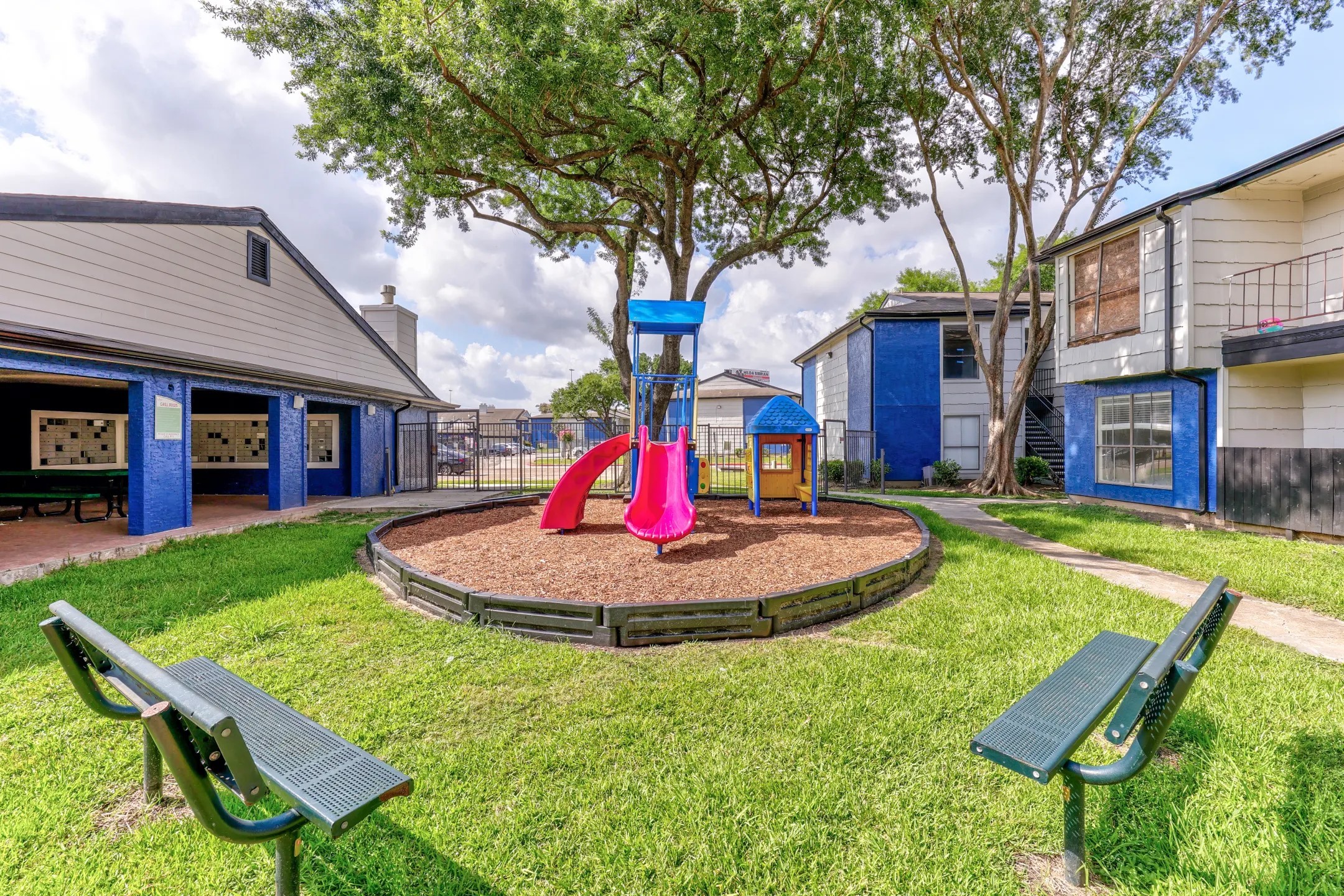
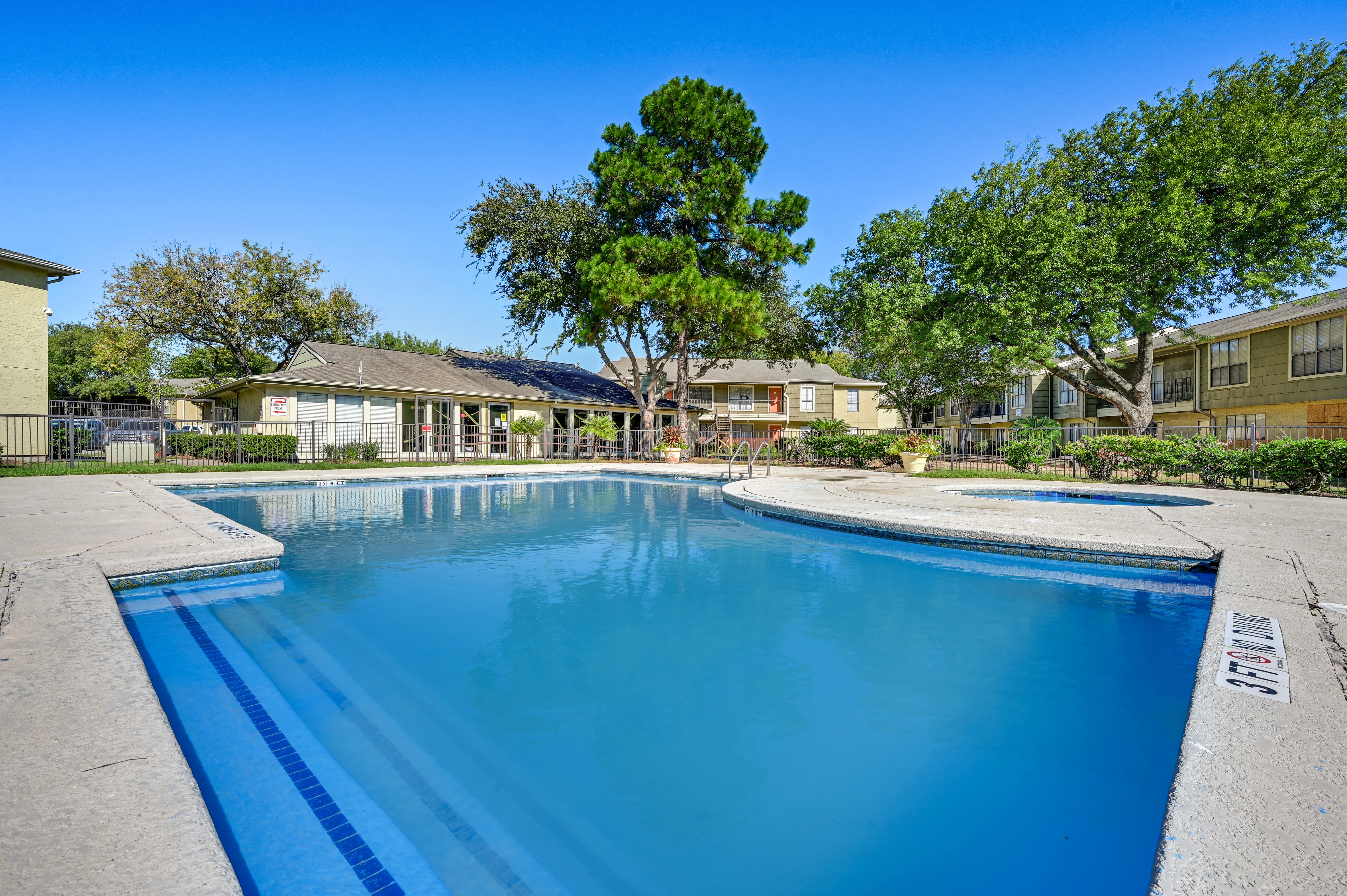
Only then could construction begin. Savoy General Contractors renovated over 350 units, many down to the studs, replaced all stairwells, restored pools, laundry centers, and gates, and completed 66 separate habitability projects addressing plumbing, electrical, and structural failures. Construction ran from June 2023 through May 2024, with final habitability clearance in March 2025. Throughout, Savoy Residential managed the property, coordinating around active construction to stabilize the resident base and begin lease-up.
The reason this worked is that one team owned the full execution. Our property managers and our construction crews operate under the same leadership, on the same timeline, with shared accountability for the outcome. When the GC needs units cleared for renovation, our PM team coordinates it. When PM needs construction priorities shifted to support lease-up, our GC adjusts. There is no finger-pointing and no lag time between identifying a problem and acting on it.
None of this survives without ownership that stays committed. The Redford was not a straight line. It was obstacle after obstacle, and the ownership group absorbed every one without flinching. They funded the security spend. They backed the decision to crater occupancy. They held steady when the timeline shifted. Great execution requires a great operator, but it also requires an owner willing to ride through the worst months to get to the other side.
The Outcome
Crime at the property dropped 70 percent. The city went from adversary to advocate. The Redford earned a City Council commendation. Occupancy has rebounded to 82 percent and continues trending upward.
The owner made a bet on a distressed asset. We were the team that turned the bet into a result.
The Bigger Picture
The distress cycle in Texas multifamily is not over. Billions in floating-rate bridge loans originated in 2021 and 2022 are still working through maturity, extension, and default. More properties will hit the courthouse steps. More headlines will be written about the foreclosures.
But the foreclosure is not the story. The foreclosure is the easy part, a capital event that resolves itself in a single transaction. The hard part is what comes after: the 18-month rebuild that requires boots on the ground across security, legal, construction, and property management simultaneously, with an execution team willing to drive a plan that looks worse before it looks better.
The press will keep writing about who lost the building. We will keep being the team that owners call to fix it.
Rebuilds like this are only possible when design, construction, and operations sit under one roof. See our guide to vertically integrated multifamily companies in Texas for how the model works.
Other resources
Audience
Content Types
Topic