Opportunity Zone
New Construction
Savoy Group
Created:
Feb 26, 2026
Last Updated:
Apr 16, 2026

$5,000 Study, $656,000 in Tax Savings: Cost Segregation on New Construction
Most apartment investors understand depreciation in concept. Fewer understand it in practice. Specifically, how a cost segregation study works on new construction, what the actual numbers look like, and how the tax code creates a mechanism to return a significant portion of invested equity in Year 1.
Here is how it works on a real project.
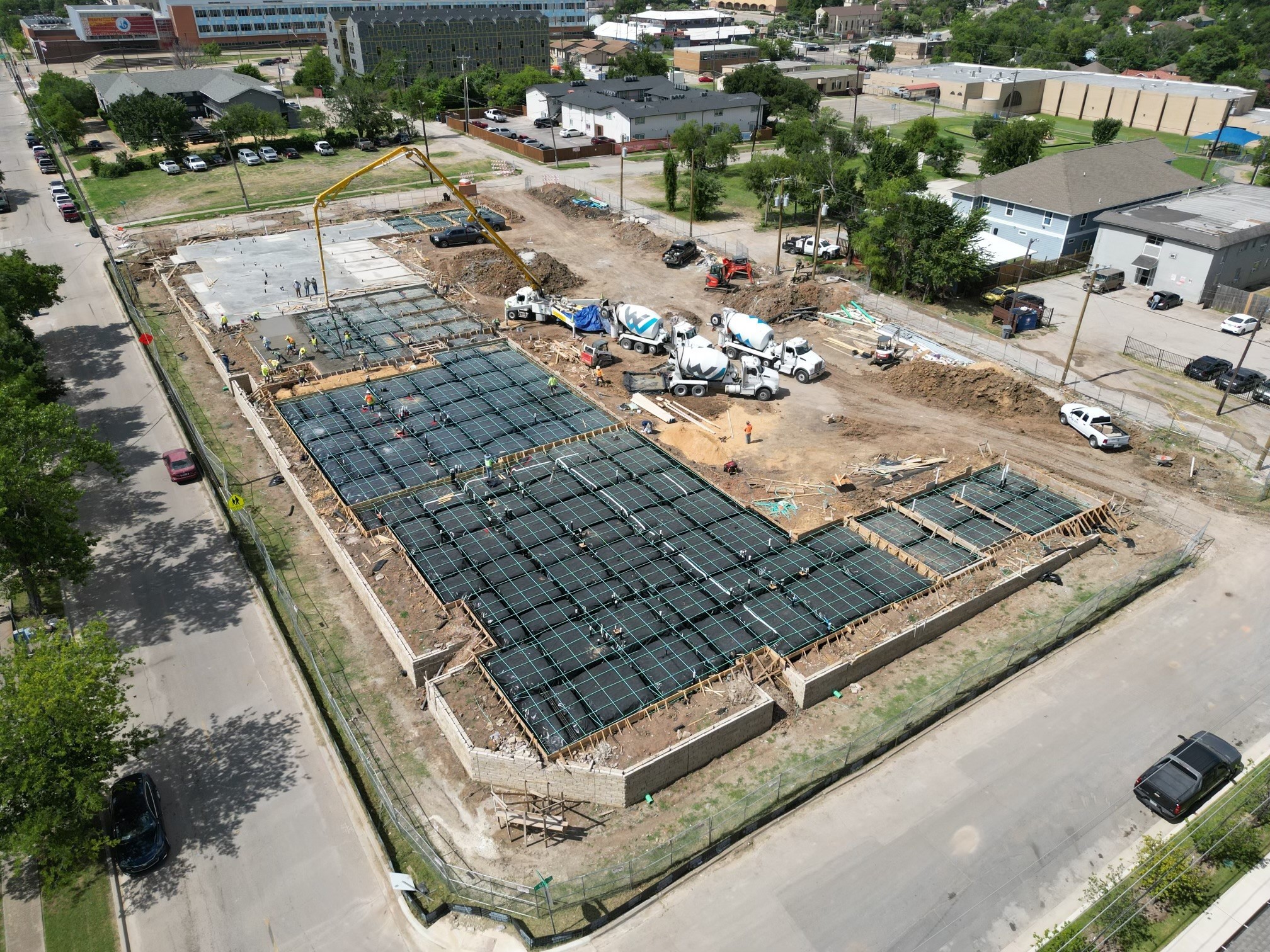
The Bowie Numbers
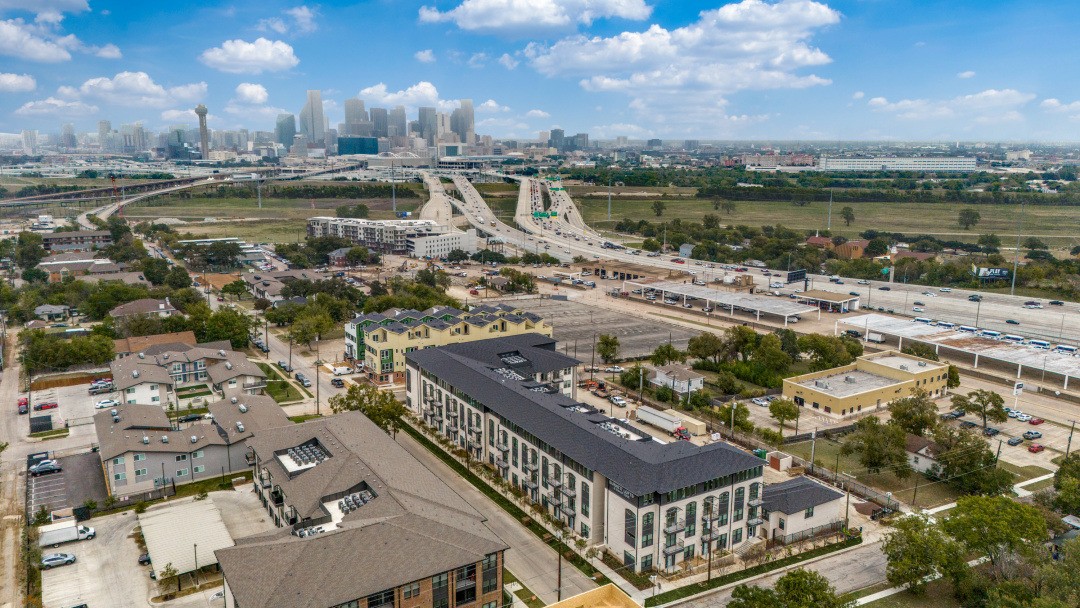
The Bowie Apartments at Bishop Ridge is a 75-unit new construction project in Dallas. Total construction cost: $11.9 million. The building was placed in service in August 2025. A cost segregation study was completed shortly after.
Without a cost seg study, the entire building depreciates on a straight-line basis over 27.5 years. That produces approximately $162,000 in Year 1 depreciation. Useful, but modest relative to the equity invested.
With a cost seg study, an engineering firm walks the property and reclassifies every component by its IRS recovery period. Appliances, flooring, cabinetry, countertops, ceiling fans, access control systems, window treatments, and similar items are reclassified from 27.5-year property to 5-year property. Site work, landscaping, parking, fencing, and exterior improvements are reclassified to 15-year property.
On the Bowie, the study reclassified $2.46 million into 5-year property (21 percent of total basis) and $1.23 million into 15-year property (10 percent). The remaining $8.2 million stayed at 27.5 years.
Under the One Big Beautiful Bill Act, 100 percent bonus depreciation has been restored. That means the entire value of 5-year and 15-year property, roughly $3.7 million on this project, can be deducted in Year 1. Combined with partial-year straight-line depreciation on the 27.5-year components, total first-year depreciation reached $1.94 million.
At a 37 percent tax rate, that is $656,000 in estimated tax savings in Year 1 from a $5,000 study. A 131-to-1 payback ratio.
What This Means for Investors
For investors, this is where the math gets powerful. If you invested $100,000 in equity in this project, cost segregation allows you to take a depreciation deduction that may exceed your initial investment. You have not lost money. You have accelerated the tax recognition of your building's physical components into the year they were placed in service.
Who can use this: passive investors can offset passive income. Real Estate Professionals, those who meet the IRS material participation standard, can offset all income, including W-2 wages. The deduction flows through to partners on their K-1.
The Catch and the Escape Paths
The catch is depreciation recapture. When you sell, accelerated depreciation is recaptured at up to 25 percent. There are two escape paths. A 1031 exchange defers the gain and recapture indefinitely, and if held until death, the step-up in basis eliminates it entirely. An Opportunity Zone structure is even cleaner: if the investment is held for 10 or more years, there is no capital gains tax and no depreciation recapture. The gain disappears.
Savoy builds these projects, runs the cost seg studies, and holds the assets long-term. We see the full lifecycle. Not just the pitch deck projection, but how the depreciation actually lands, how investors use it, and how the exit structure preserves or destroys the benefit. Most sponsors show you the Year 1 number. We can show you what happens in Year 10.
That difference matters when you are making a decision about where to place capital.
This is not tax advice. Consult your CPA or tax advisor for guidance specific to your situation.
For a deeper breakdown of how the leading Opportunity Zone funds compare in 2026, see our guide to the best Opportunity Zone funds.
Other resources
Audience
Content Types
Topic