New Construction

The $858,000 Fire Code Line Item Your GC Never Questioned

The $858,000 Fire Code Line Item Your GC Never Questioned

Most developers never question the line items their GC prices. Here is how treating an $858,000 fire code requirement as a policy issue protected returns and kept a Texas deal alive.

Most developers never question the line items their GC prices. Here is how treating an $858,000 fire code requirement as a policy issue protected returns and kept a Texas deal alive.

Savoy Group

Created:

Feb 26, 2026

Last Updated:

Feb 26, 2026

The $858,000 Fire Code Line Item Your GC Never Questioned

Every developer building apartments in Texas right now is watching their construction budget. Most are focused on lumber, labor, and interest carry. Almost none are questioning a single line item that quietly adds $700,000 to $1,000,000 per building and that most GCs never flag.

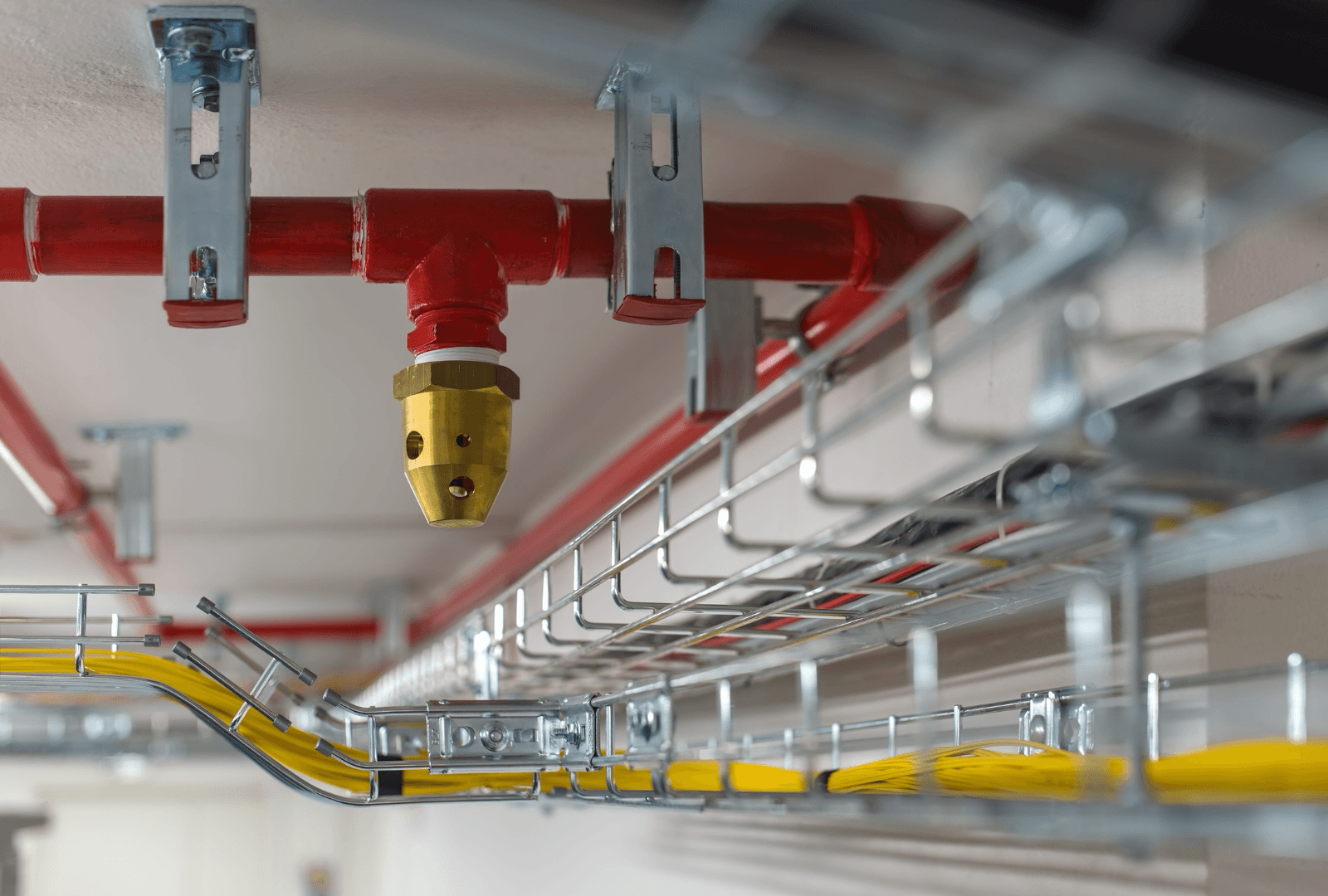
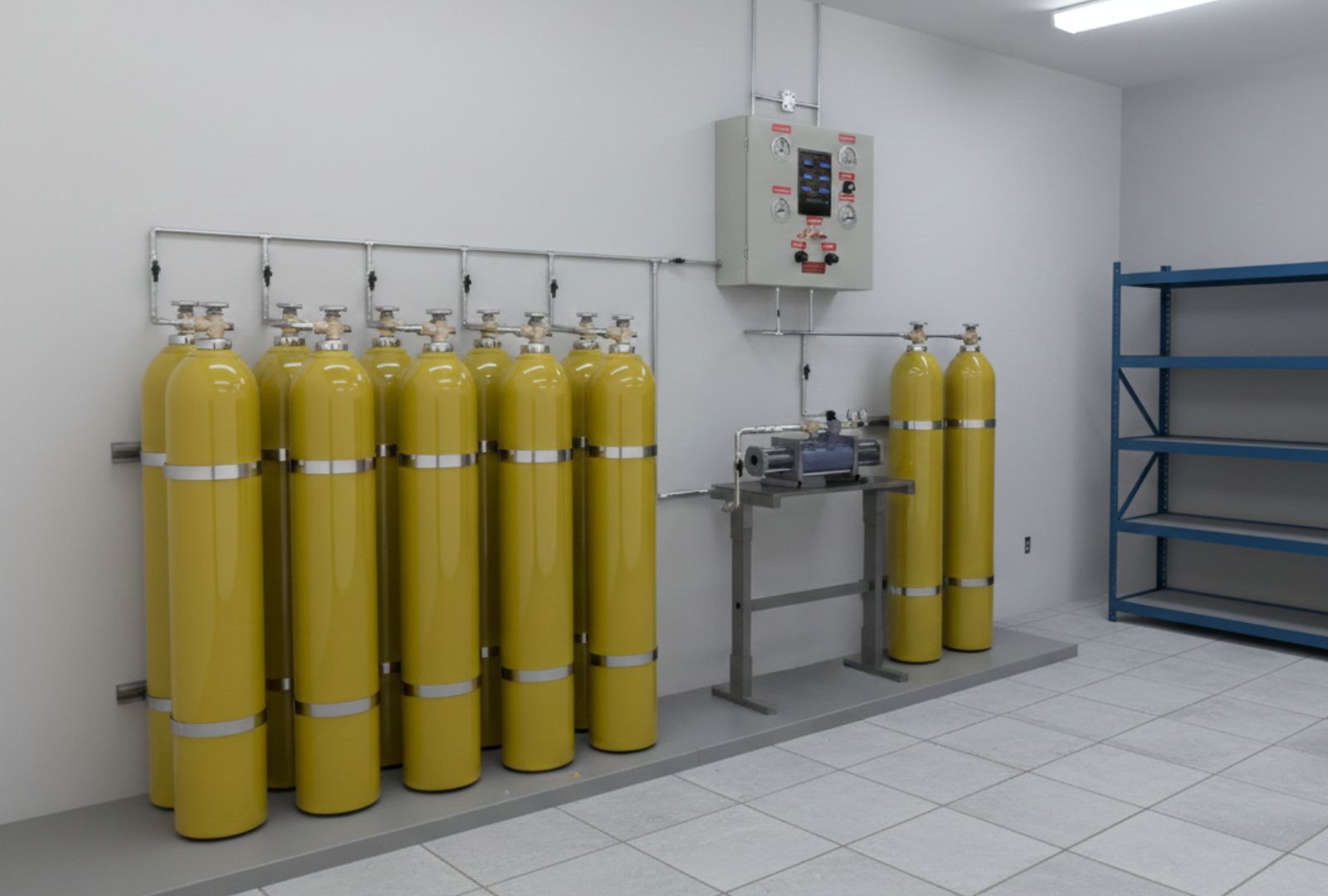
It is called FARS: Firefighter Air Replenishment Systems.

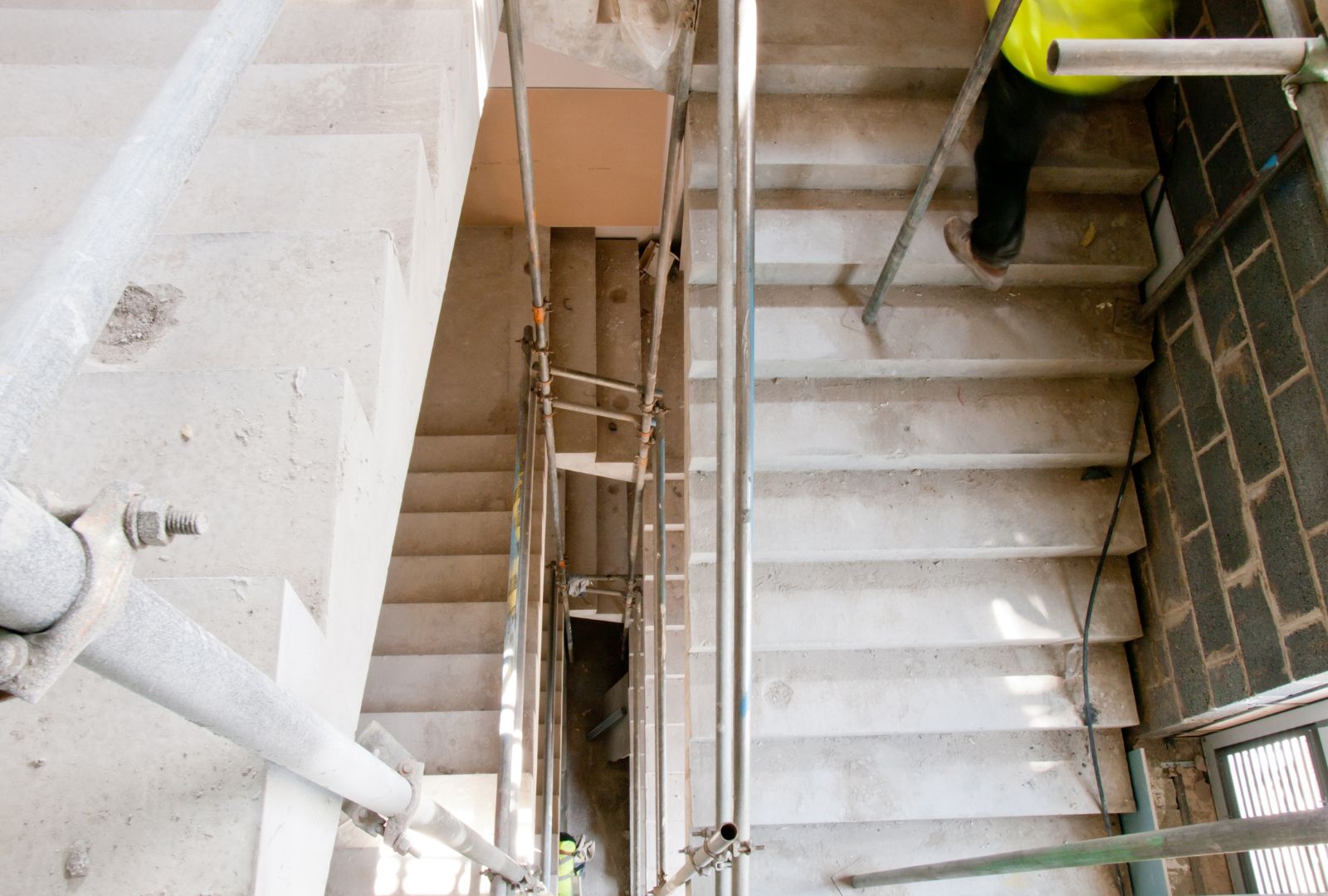
FARS mandates pressurized air piping throughout stairwells in qualifying apartment buildings so firefighters can refill their air tanks from wall panels inside the building instead of returning to the truck. The hardware is manufactured exclusively by Johnson Controls, which acquired the patent in 2022. There is no competitive alternative. One company, one product, one price.

There has been one confirmed real-fire activation of a FARS system in the entire country. One. In Frisco, Texas, in 2021. Municipalities are mandating a system with no track record of operational value, manufactured by a monopoly supplier, at a cost that can kill workforce housing projects outright.

What It Looks Like on a Real Budget

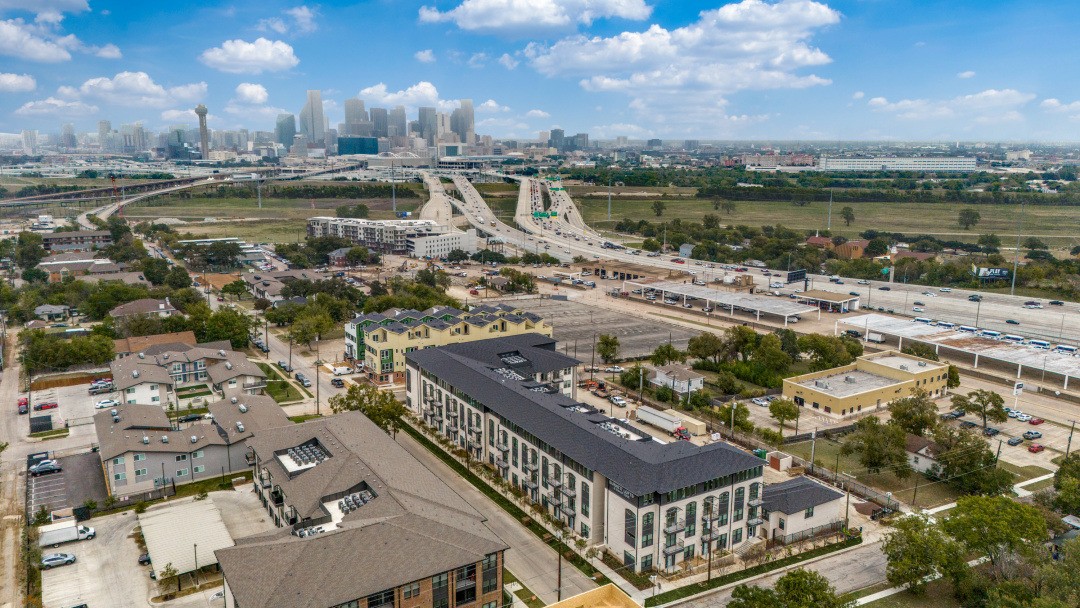
We know this because we priced it. On our Power & Light project in the Cedars neighborhood of Dallas, the FARS bid came back at $858,000 for four stairwells. That is $11,000 per unit on a project where every dollar of cost compresses investor returns. Three North Texas projects totaling over 1,000 workforce housing units were at risk of dying because of this single line item.

Most sponsors would never question it. Their GC hands them a bid, the number is in the budget, and they move forward or they kill the deal. They do not know what FARS is. They do not know it is a monopoly product. They do not know there is a fight at the code level to distinguish between full installation and a cheaper hook-up-only approach that saves 75 to 85 percent of the cost.

Why We Caught It

Savoy sees this differently because we sit on both sides. Our GC division prices the work. Our equity division models the returns. When an $858,000 line item shows up on a construction budget, we do not absorb it. We trace it back to the code, the manufacturer, and the regulatory body enforcing it. We ask whether the requirement matches the risk.

On Power & Light, we did more than question it. We challenged the requirement publicly. The North Central Texas Council of Governments subsequently revised their FARS guidance to recommend the system only for buildings six stories and above, which excluded our project. We then worked with Dallas Fire to confirm FARS was not required for Power & Light. $858,000 back in the budget because we treated a line item like a policy question, not a fixed cost.

The Bigger Problem

This is not just about one project. In strict enforcement states like Texas, California, Colorado, and Washington, FARS adds $700,000 to over $1,000,000 to every qualifying building. In a market where workforce housing deals are already marginal, that cost is the difference between a project that pencils and one that does not.

If you are developing multifamily in Texas and your GC has not raised this with you, that is a problem. Most GCs do not think like owners. They price what is in the plans. They do not question whether what is in the plans should be there. If you are building with a GC who has never mentioned FARS, ask them why.

The only way to catch it is to be both the builder and the investor. To see the cost on the construction side and feel the compression on the equity side at the same time. That is not a diagram on a pitch deck. That is $858,000 that most developers will pay without knowing they had a choice.

Other resources

Audience

Content Types

Topic
Owners

Blog

Renovation

The Headline Was the Foreclosure. The Real Story Was the Rebuild.

The foreclosure made news. The rebuild required security, evictions, construction, and unified execution. Here is how vertical integration stabilized 844 units and rebuilt value from 23 percent occupancy.

Learn more

Developers

Blog

New Construction

The $858,000 Fire Code Line Item Your GC Never Questioned

Most developers never question the line items their GC prices. Here is how treating an $858,000 fire code requirement as a policy issue protected returns and kept a Texas deal alive.

Learn more

Developers

Blog

New Construction

Renovation

Opportunity Zone

You Can't Reposition a Neighborhood with One Building

One building does not shift a market. Here is how concentrated ownership, internal construction, and integrated property management repositioned nearly 1,000 units across five years.

Learn more

Owners

Blog

Opportunity Zone

New Construction

The Year 1 Tax Benefit That Funds Itself 131 Times Over

Most investors understand depreciation in theory. Here is how a cost segregation study accelerated $3.7 million of basis and generated $656,000 in first-year tax savings.

Learn more

Owners

Blog

Renovation

Two Buildings, Same Neighborhood, 2.3x the NOI: The Case for Gut Renovation

Two identical-size buildings in the same neighborhood delivered radically different results. Here is how deeper renovation scope reduced expenses, stabilized performance, and doubled NOI.

Learn more

Owners

Blog

Property Management

Tenant Fraud Isn't Bad Luck. It's a Pattern with a Fix.

Fraud is not bad luck at scale. Here is how managing 6,000 units exposed an $8,000 per-tenant risk and how stricter screening reduced operating losses.

Learn more

Owners

Blog

Renovation

The Headline Was the Foreclosure. The Real Story Was the Rebuild.

The foreclosure made news. The rebuild required security, evictions, construction, and unified execution. Here is how vertical integration stabilized 844 units and rebuilt value from 23 percent occupancy.

Learn more

Developers

Blog

New Construction

The $858,000 Fire Code Line Item Your GC Never Questioned

Most developers never question the line items their GC prices. Here is how treating an $858,000 fire code requirement as a policy issue protected returns and kept a Texas deal alive.

Learn more

Developers

Blog

New Construction

Renovation

Opportunity Zone

You Can't Reposition a Neighborhood with One Building

One building does not shift a market. Here is how concentrated ownership, internal construction, and integrated property management repositioned nearly 1,000 units across five years.

Learn more

Owners

Blog

Opportunity Zone

New Construction

The Year 1 Tax Benefit That Funds Itself 131 Times Over

Most investors understand depreciation in theory. Here is how a cost segregation study accelerated $3.7 million of basis and generated $656,000 in first-year tax savings.

Learn more

Owners

Blog

Renovation

Two Buildings, Same Neighborhood, 2.3x the NOI: The Case for Gut Renovation

Two identical-size buildings in the same neighborhood delivered radically different results. Here is how deeper renovation scope reduced expenses, stabilized performance, and doubled NOI.

Learn more

Owners

Blog

Property Management

Tenant Fraud Isn't Bad Luck. It's a Pattern with a Fix.

Fraud is not bad luck at scale. Here is how managing 6,000 units exposed an $8,000 per-tenant risk and how stricter screening reduced operating losses.

Learn more

Owners

Blog

Renovation

The Headline Was the Foreclosure. The Real Story Was the Rebuild.

The foreclosure made news. The rebuild required security, evictions, construction, and unified execution. Here is how vertical integration stabilized 844 units and rebuilt value from 23 percent occupancy.

Learn more

Developers

Blog

New Construction

The $858,000 Fire Code Line Item Your GC Never Questioned

Most developers never question the line items their GC prices. Here is how treating an $858,000 fire code requirement as a policy issue protected returns and kept a Texas deal alive.

Learn more

Developers

Blog

New Construction

Renovation

Opportunity Zone

You Can't Reposition a Neighborhood with One Building

One building does not shift a market. Here is how concentrated ownership, internal construction, and integrated property management repositioned nearly 1,000 units across five years.

Learn more

Owners

Blog

Opportunity Zone

New Construction

The Year 1 Tax Benefit That Funds Itself 131 Times Over

Most investors understand depreciation in theory. Here is how a cost segregation study accelerated $3.7 million of basis and generated $656,000 in first-year tax savings.

Learn more

Owners

Blog

Renovation

Two Buildings, Same Neighborhood, 2.3x the NOI: The Case for Gut Renovation

Two identical-size buildings in the same neighborhood delivered radically different results. Here is how deeper renovation scope reduced expenses, stabilized performance, and doubled NOI.

Learn more

Owners

Blog

Property Management

Tenant Fraud Isn't Bad Luck. It's a Pattern with a Fix.

Fraud is not bad luck at scale. Here is how managing 6,000 units exposed an $8,000 per-tenant risk and how stricter screening reduced operating losses.

Learn more

Build with Certainty

Unlock Infinite Leverage with Savoy

Savoy combines three specialized divisions—Savoy Equity Partners, Savoy General Contractor, and Savoy Residential—under one roof, designed to deliver predictable execution, tighter budgets, and superior returns through a closed feedback loop.

Build with Certainty

Unlock Infinite Leverage with Savoy

Savoy combines three specialized divisions—Savoy Equity Partners, Savoy General Contractor, and Savoy Residential—under one roof, designed to deliver predictable execution, tighter budgets, and superior returns through a closed feedback loop.