Renovation

Two Buildings, Same Neighborhood, 2.3x the NOI: The Case for Gut Renovation

Two Buildings, Same Neighborhood, 2.3x the NOI: The Case for Gut Renovation

Two identical-size buildings in the same neighborhood delivered radically different results. Here is how deeper renovation scope reduced expenses, stabilized performance, and doubled NOI.

Two identical-size buildings in the same neighborhood delivered radically different results. Here is how deeper renovation scope reduced expenses, stabilized performance, and doubled NOI.

Savoy Group

Created:

Feb 26, 2026

Last Updated:

Feb 26, 2026

Cosmetic Renovations Are a Lie the Next Buyer Pays For

The biggest lesson we have learned in 20 years of multifamily renovation is this: a $15,000 per unit cosmetic renovation does not materially change the long-term operating cost or capital needs of a building. A $50,000-plus per unit gut renovation changes everything.

Most operators do not see this because they never hold long enough to find out. They renovate kitchens and bathrooms, bump rents, and sell at a higher basis within a few years. The next owner inherits the same failing mechanical systems, the same aging plumbing, the same central HVAC plant that was already past its useful life when the cosmetic renovation happened. The cycle repeats.

We see it because we build the buildings and manage them afterward. Our GC crews are inside the walls during renovation. They see what is actually failing, not just what looks dated. And because Savoy Residential manages the buildings after construction, we see the operating consequences of every design and renovation decision for years.

Here is what that feedback loop reveals when you look at the actual numbers.

The Comparison

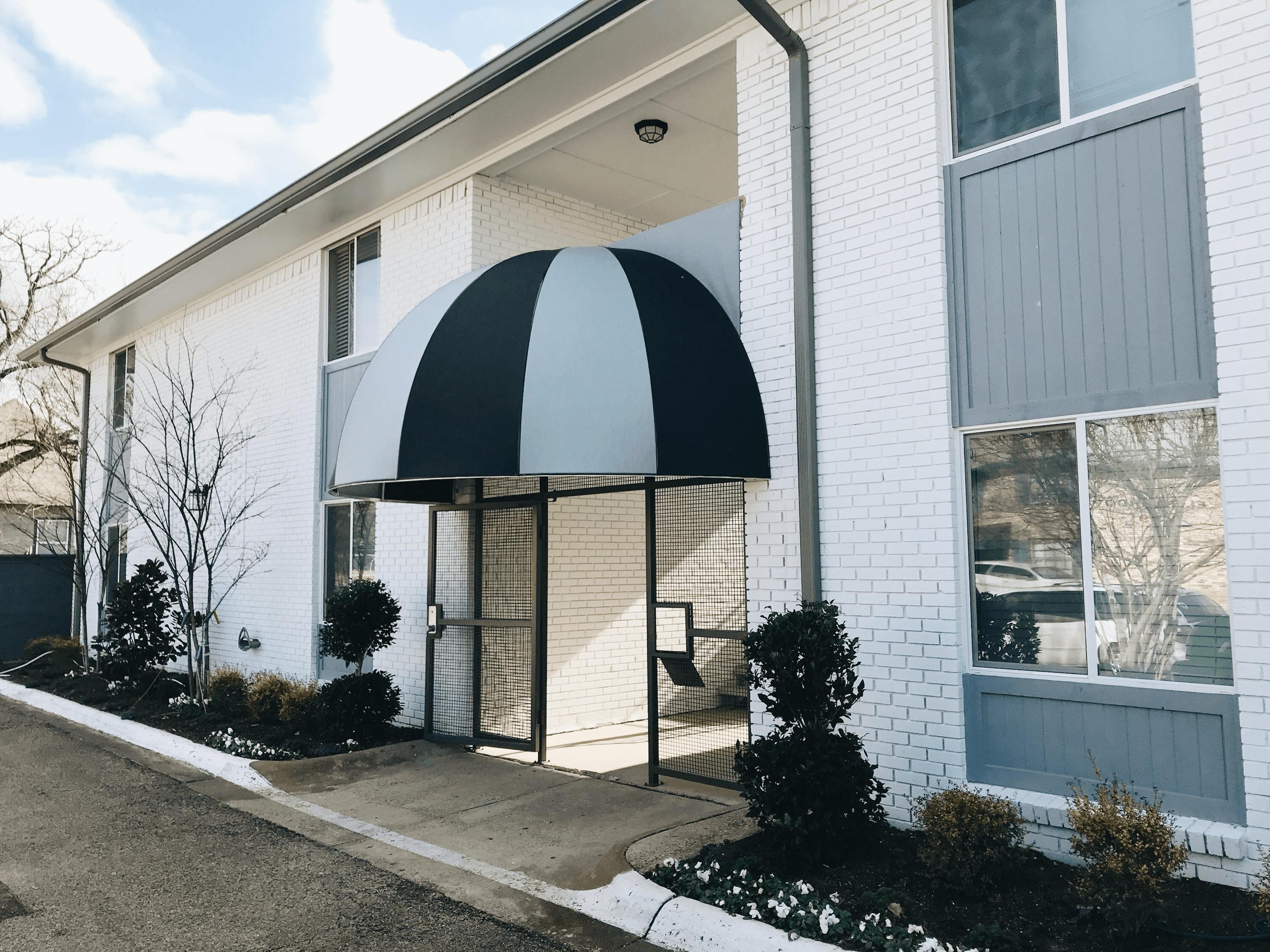
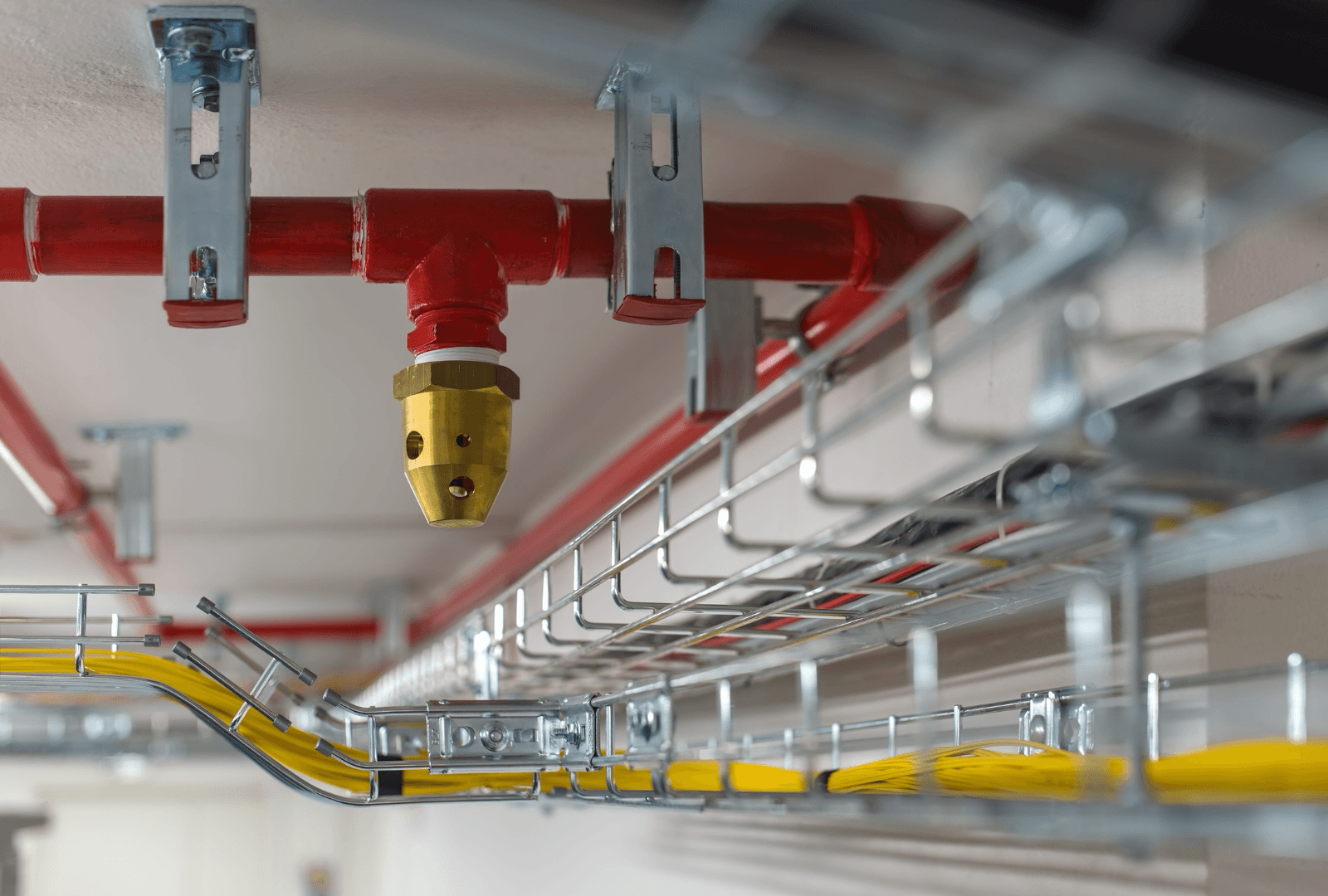
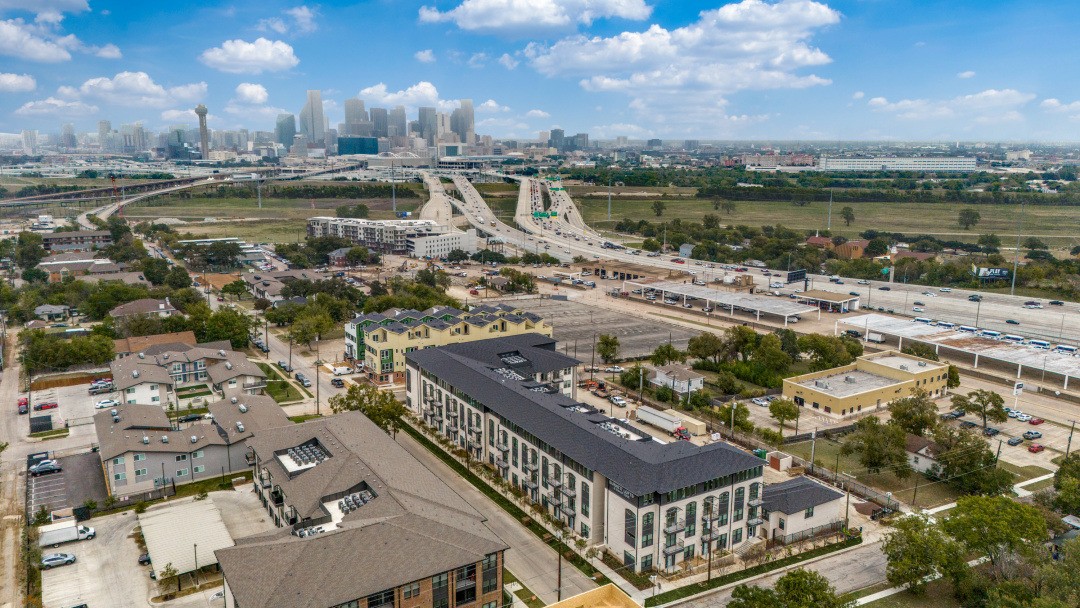
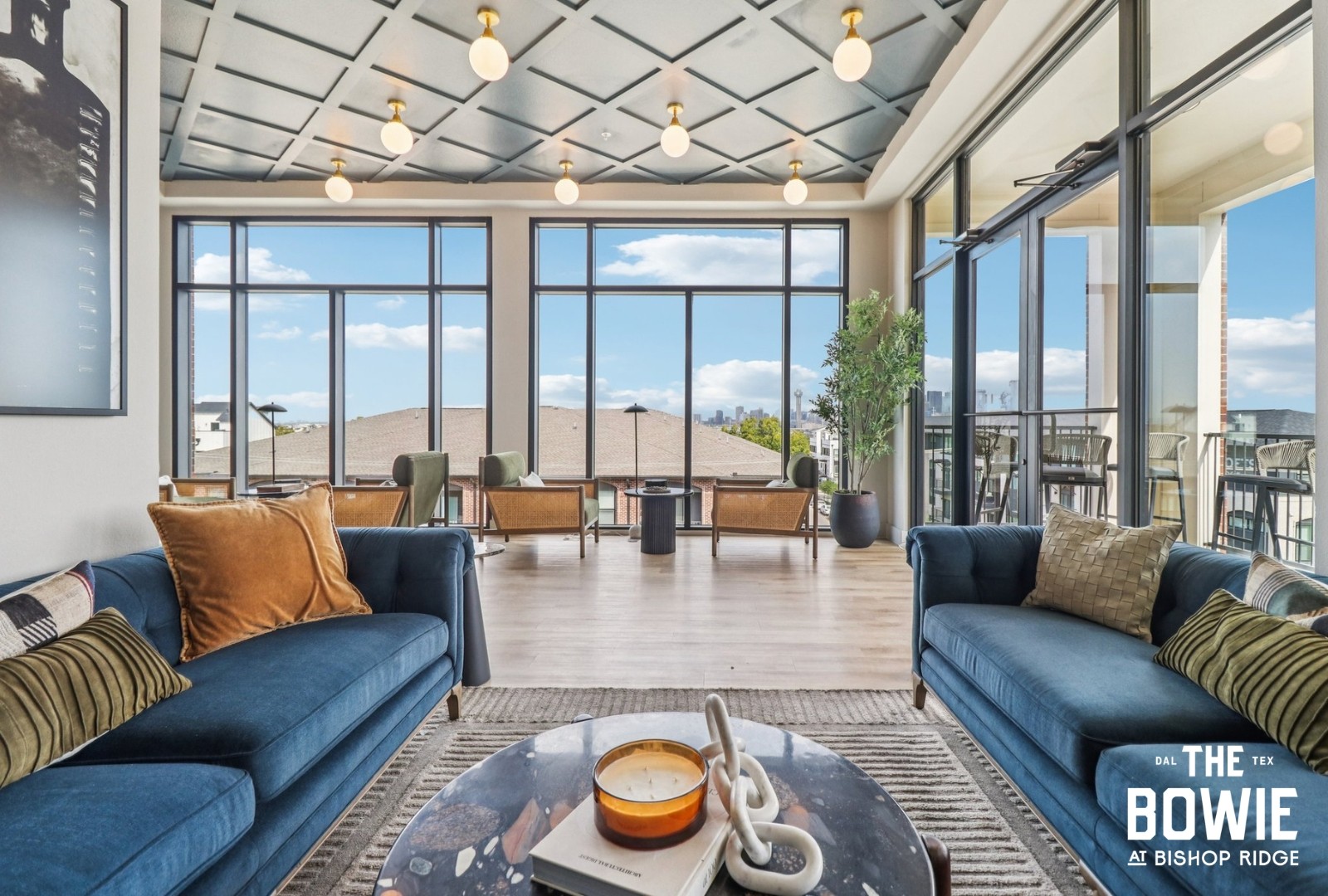
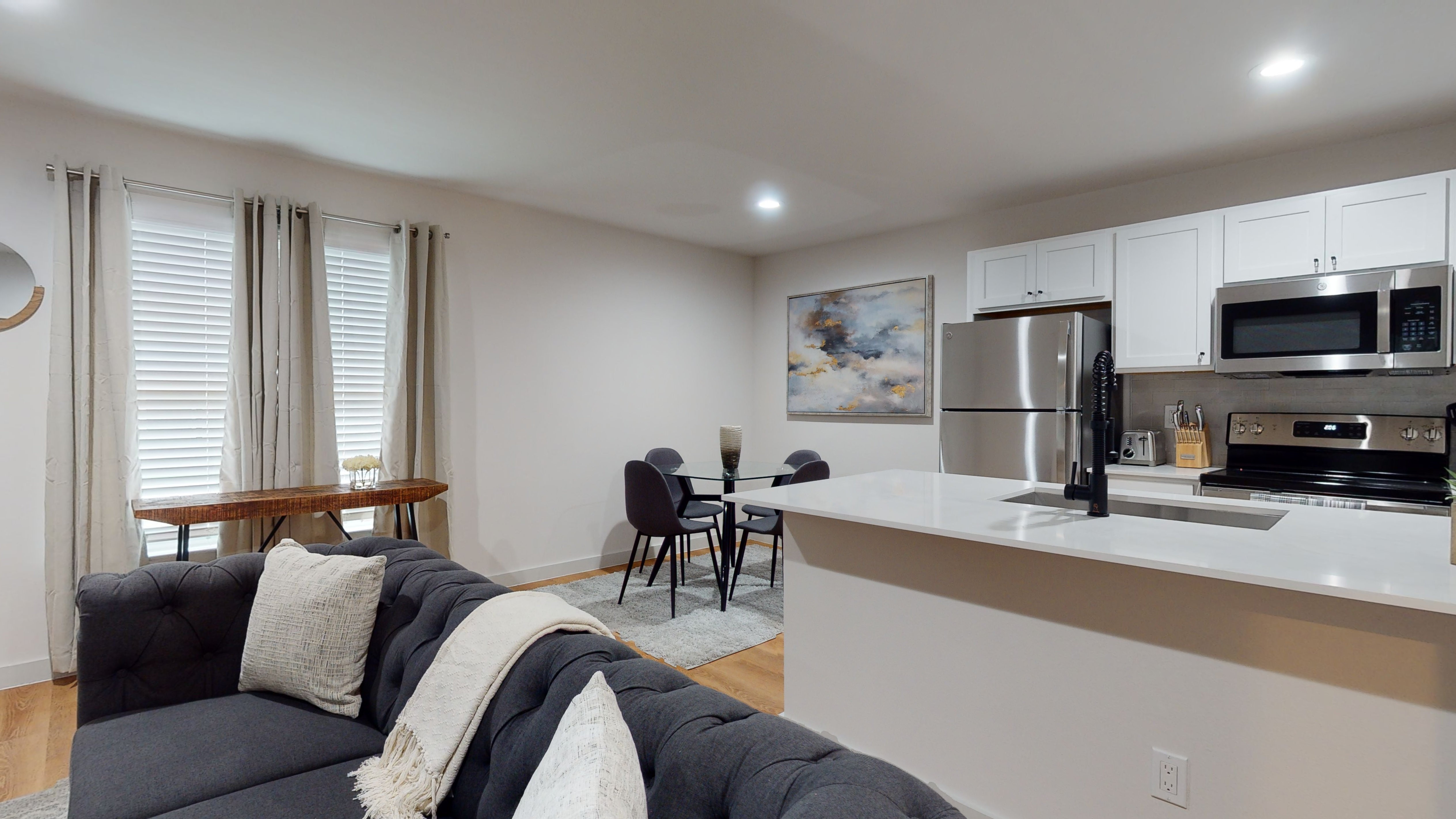
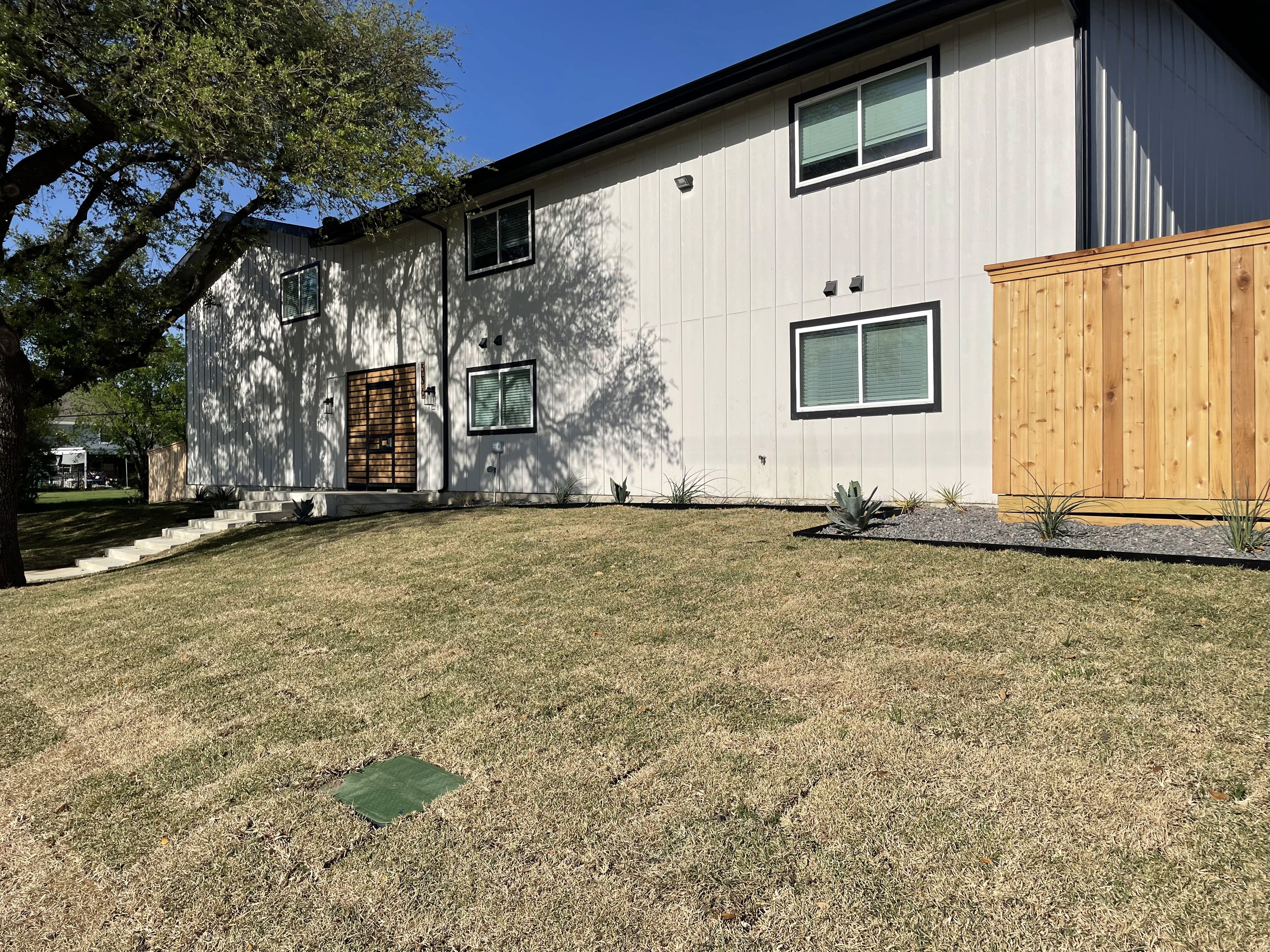
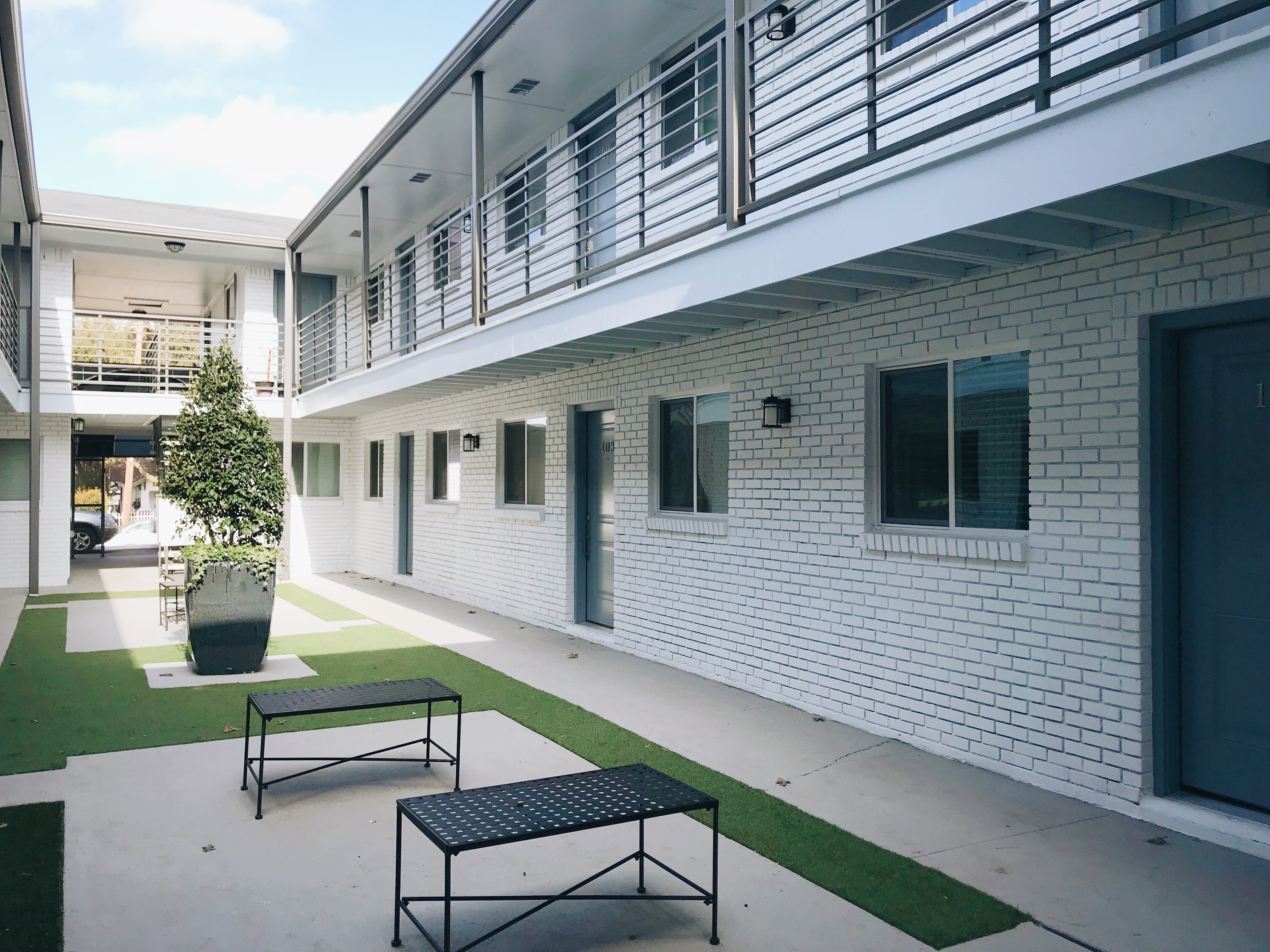
We operate two 26-unit properties in the same neighborhood at Bishop Ridge in Dallas. Same area, same vintage, same general resident profile. The Apollo received a $15,000 per unit cosmetic renovation and still runs on a central chiller and boiler system. Hoskins 90 received a $60,000-plus per unit gut renovation including conversion to individual HVAC systems, new MEP, modernized floor plans, and in-unit washer-dryers.

Trailing 12-month financials tell the story.

Hoskins generates $193,700 in annual NOI. Apollo generates $83,600. Same unit count. Same neighborhood. Hoskins produces 2.3 times the NOI.

Where the Gap Comes From

The gap is almost entirely driven by operating expenses. Hoskins spends $20,000 per year on utilities versus $44,000 at Apollo, 54 percent less. Repairs and maintenance costs are $10,400 at Hoskins versus $20,000 at Apollo, 48 percent less. Make-ready and turnover costs are one-third of Apollo's. Total controllable expenses at Hoskins are $68,000 per year lower than Apollo.

Per unit, Hoskins produces $7,450 in annual NOI versus $3,200 at Apollo. At a 6 percent cap rate, the NOI difference between these two identical-size properties in the same neighborhood translates to $1.8 million in asset value.

The cosmetic renovation cost $390,000 total. The gut renovation cost $1.56 million. The gut renovation produces $110,000 more in annual NOI, a 7 percent incremental return on the additional $1.17 million in capital, every year, compounding. And that is before you account for reduced capital expenditure needs over the next decade.

What Happens When the Weather Hits

This is why most multifamily units are designed by people who never operate them. They chase awards. They optimize for lease-up aesthetics. They ignore OpEx. And when a freeze hits, as it did across Texas, cosmetic renovations explode. The pipes behind the new countertops burst. The central boiler that was not replaced fails. The buildings that looked renovated reveal themselves as the same aging systems wrapped in new finishes.

A gut renovation is not a cosmetic play with a bigger budget. It is a fundamentally different investment thesis. You are buying down a decade of operating expense and capital risk. You are converting a building from a management headache into an asset that performs like new construction at a fraction of the replacement cost.

The only way to know this, to actually see the difference in the data, is to operate both types of properties in the same market and compare the P&Ls side by side. That is what vertical integration gives you. Not a theory about renovation scope. A spreadsheet that proves it.

Other resources

Audience

Content Types

Topic
Owners

Blog

Renovation

The Headline Was the Foreclosure. The Real Story Was the Rebuild.

The foreclosure made news. The rebuild required security, evictions, construction, and unified execution. Here is how vertical integration stabilized 844 units and rebuilt value from 23 percent occupancy.

Learn more

Developers

Blog

New Construction

The $858,000 Fire Code Line Item Your GC Never Questioned

Most developers never question the line items their GC prices. Here is how treating an $858,000 fire code requirement as a policy issue protected returns and kept a Texas deal alive.

Learn more

Developers

Blog

New Construction

Renovation

Opportunity Zone

You Can't Reposition a Neighborhood with One Building

One building does not shift a market. Here is how concentrated ownership, internal construction, and integrated property management repositioned nearly 1,000 units across five years.

Learn more

Owners

Blog

Opportunity Zone

New Construction

The Year 1 Tax Benefit That Funds Itself 131 Times Over

Most investors understand depreciation in theory. Here is how a cost segregation study accelerated $3.7 million of basis and generated $656,000 in first-year tax savings.

Learn more

Owners

Blog

Renovation

Two Buildings, Same Neighborhood, 2.3x the NOI: The Case for Gut Renovation

Two identical-size buildings in the same neighborhood delivered radically different results. Here is how deeper renovation scope reduced expenses, stabilized performance, and doubled NOI.

Learn more

Owners

Blog

Property Management

Tenant Fraud Isn't Bad Luck. It's a Pattern with a Fix.

Fraud is not bad luck at scale. Here is how managing 6,000 units exposed an $8,000 per-tenant risk and how stricter screening reduced operating losses.

Learn more

Owners

Blog

Renovation

The Headline Was the Foreclosure. The Real Story Was the Rebuild.

The foreclosure made news. The rebuild required security, evictions, construction, and unified execution. Here is how vertical integration stabilized 844 units and rebuilt value from 23 percent occupancy.

Learn more

Developers

Blog

New Construction

The $858,000 Fire Code Line Item Your GC Never Questioned

Most developers never question the line items their GC prices. Here is how treating an $858,000 fire code requirement as a policy issue protected returns and kept a Texas deal alive.

Learn more

Developers

Blog

New Construction

Renovation

Opportunity Zone

You Can't Reposition a Neighborhood with One Building

One building does not shift a market. Here is how concentrated ownership, internal construction, and integrated property management repositioned nearly 1,000 units across five years.

Learn more

Owners

Blog

Opportunity Zone

New Construction

The Year 1 Tax Benefit That Funds Itself 131 Times Over

Most investors understand depreciation in theory. Here is how a cost segregation study accelerated $3.7 million of basis and generated $656,000 in first-year tax savings.

Learn more

Owners

Blog

Renovation

Two Buildings, Same Neighborhood, 2.3x the NOI: The Case for Gut Renovation

Two identical-size buildings in the same neighborhood delivered radically different results. Here is how deeper renovation scope reduced expenses, stabilized performance, and doubled NOI.

Learn more

Owners

Blog

Property Management

Tenant Fraud Isn't Bad Luck. It's a Pattern with a Fix.

Fraud is not bad luck at scale. Here is how managing 6,000 units exposed an $8,000 per-tenant risk and how stricter screening reduced operating losses.

Learn more

Owners

Blog

Renovation

The Headline Was the Foreclosure. The Real Story Was the Rebuild.

The foreclosure made news. The rebuild required security, evictions, construction, and unified execution. Here is how vertical integration stabilized 844 units and rebuilt value from 23 percent occupancy.

Learn more

Developers

Blog

New Construction

The $858,000 Fire Code Line Item Your GC Never Questioned

Most developers never question the line items their GC prices. Here is how treating an $858,000 fire code requirement as a policy issue protected returns and kept a Texas deal alive.

Learn more

Developers

Blog

New Construction

Renovation

Opportunity Zone

You Can't Reposition a Neighborhood with One Building

One building does not shift a market. Here is how concentrated ownership, internal construction, and integrated property management repositioned nearly 1,000 units across five years.

Learn more

Owners

Blog

Opportunity Zone

New Construction

The Year 1 Tax Benefit That Funds Itself 131 Times Over

Most investors understand depreciation in theory. Here is how a cost segregation study accelerated $3.7 million of basis and generated $656,000 in first-year tax savings.

Learn more

Owners

Blog

Renovation

Two Buildings, Same Neighborhood, 2.3x the NOI: The Case for Gut Renovation

Two identical-size buildings in the same neighborhood delivered radically different results. Here is how deeper renovation scope reduced expenses, stabilized performance, and doubled NOI.

Learn more

Owners

Blog

Property Management

Tenant Fraud Isn't Bad Luck. It's a Pattern with a Fix.

Fraud is not bad luck at scale. Here is how managing 6,000 units exposed an $8,000 per-tenant risk and how stricter screening reduced operating losses.

Learn more

Build with Certainty

Unlock Infinite Leverage with Savoy

Savoy combines three specialized divisions—Savoy Equity Partners, Savoy General Contractor, and Savoy Residential—under one roof, designed to deliver predictable execution, tighter budgets, and superior returns through a closed feedback loop.

Build with Certainty

Unlock Infinite Leverage with Savoy

Savoy combines three specialized divisions—Savoy Equity Partners, Savoy General Contractor, and Savoy Residential—under one roof, designed to deliver predictable execution, tighter budgets, and superior returns through a closed feedback loop.