New Construction

We Got Burned by a GC. So We Became One.

We Got Burned by a GC. So We Became One.

Most sponsors assume their GC is solvent, insured, and aligned. Here is how contractor failure exposed real risk and why internal construction changed how we protect returns.

Most sponsors assume their GC is solvent, insured, and aligned. Here is how contractor failure exposed real risk and why internal construction changed how we protect returns.

Savoy Group

Created:

Feb 26, 2026

Last Updated:

Feb 26, 2026

Why a Below-Budget Bid Should Make You Nervous

Savoy's general contracting division was not a strategic initiative. It was a reaction to getting burned.

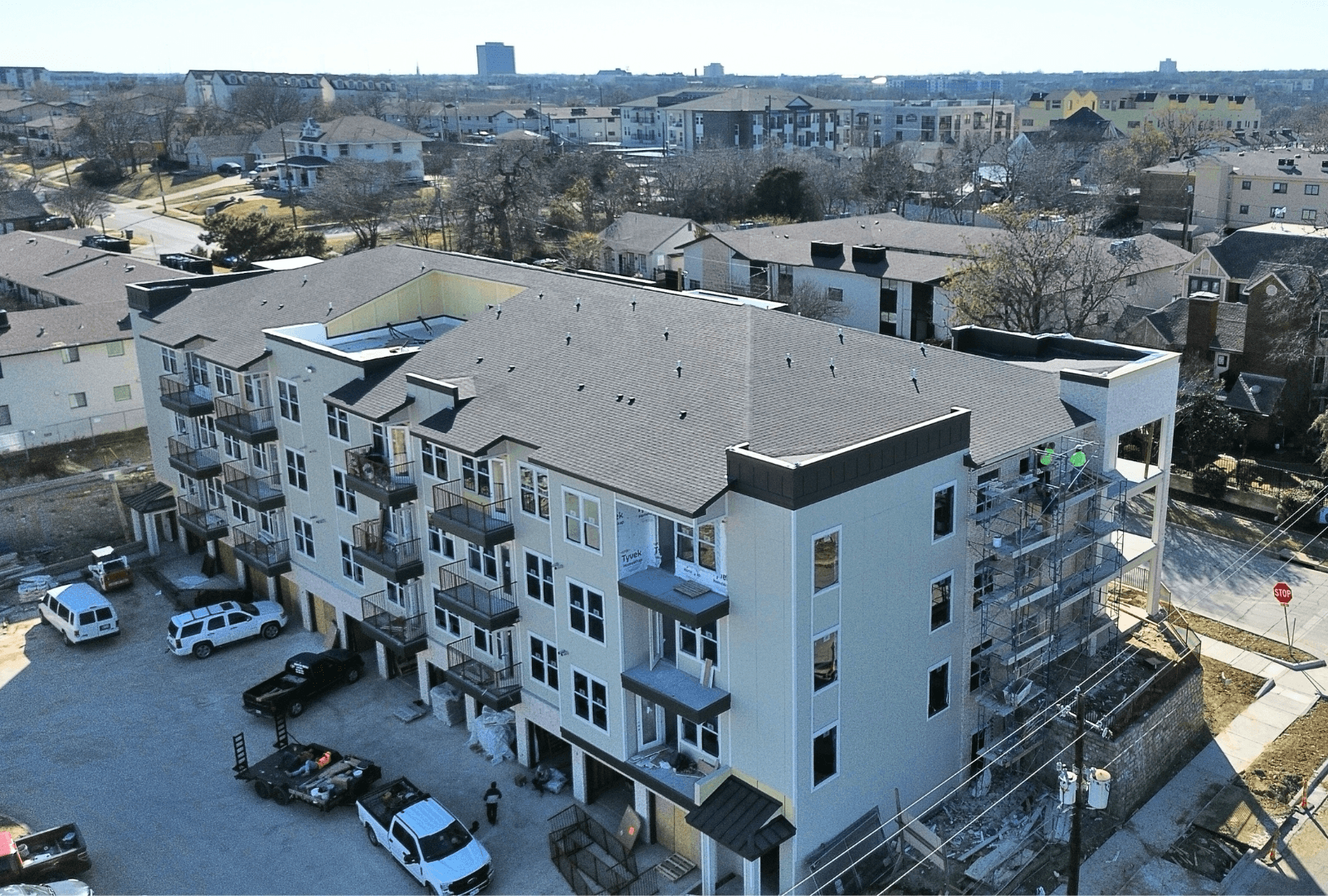
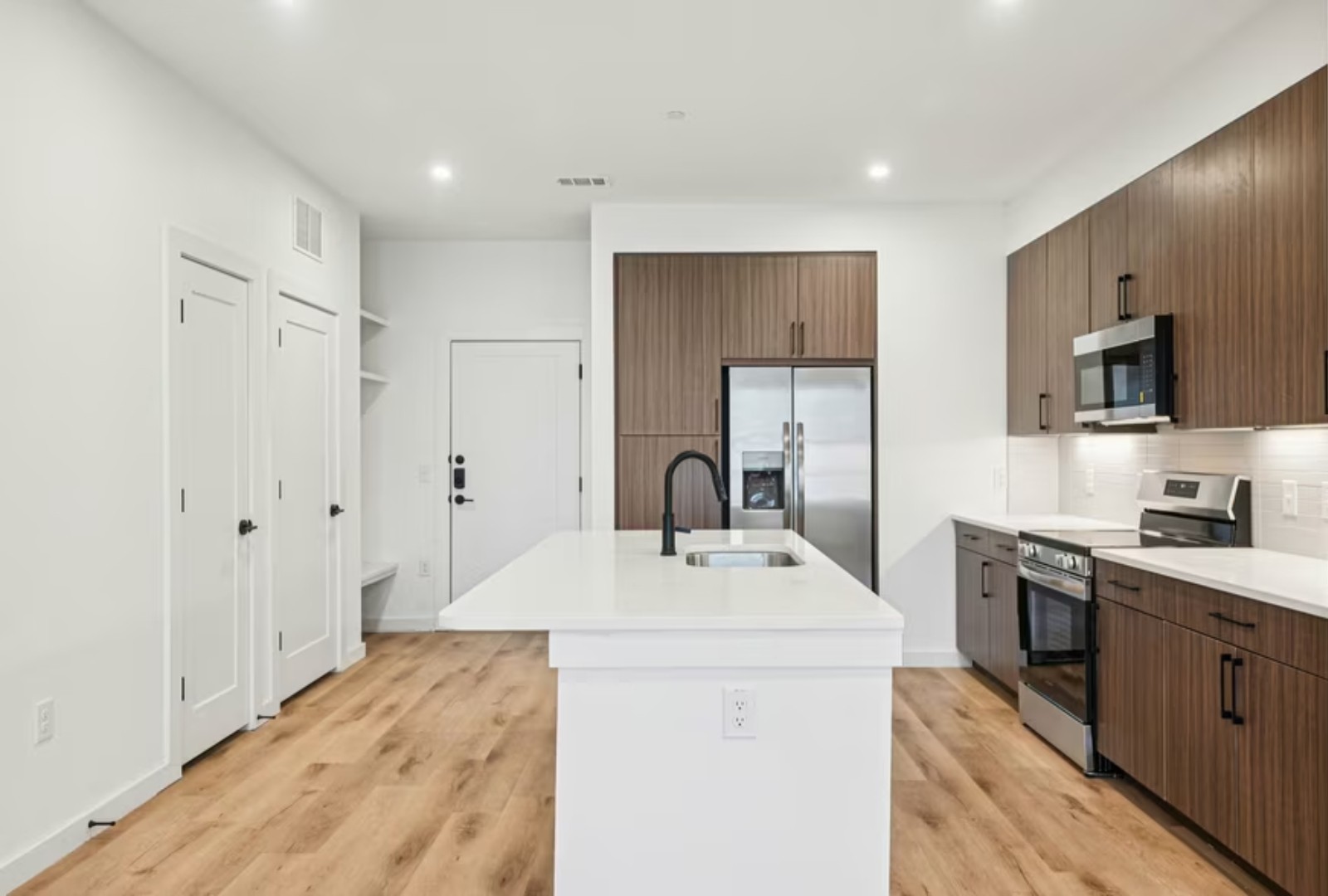
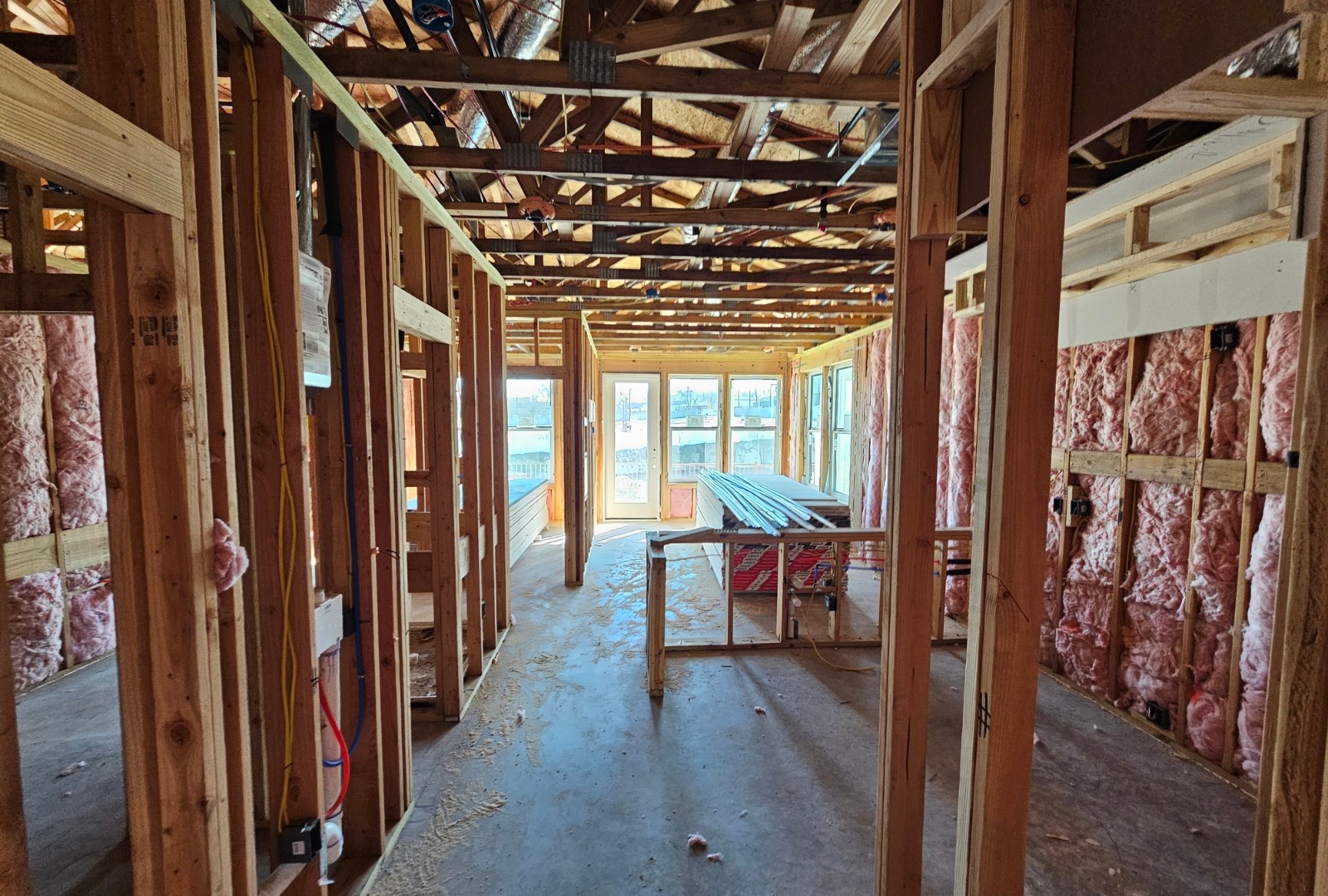
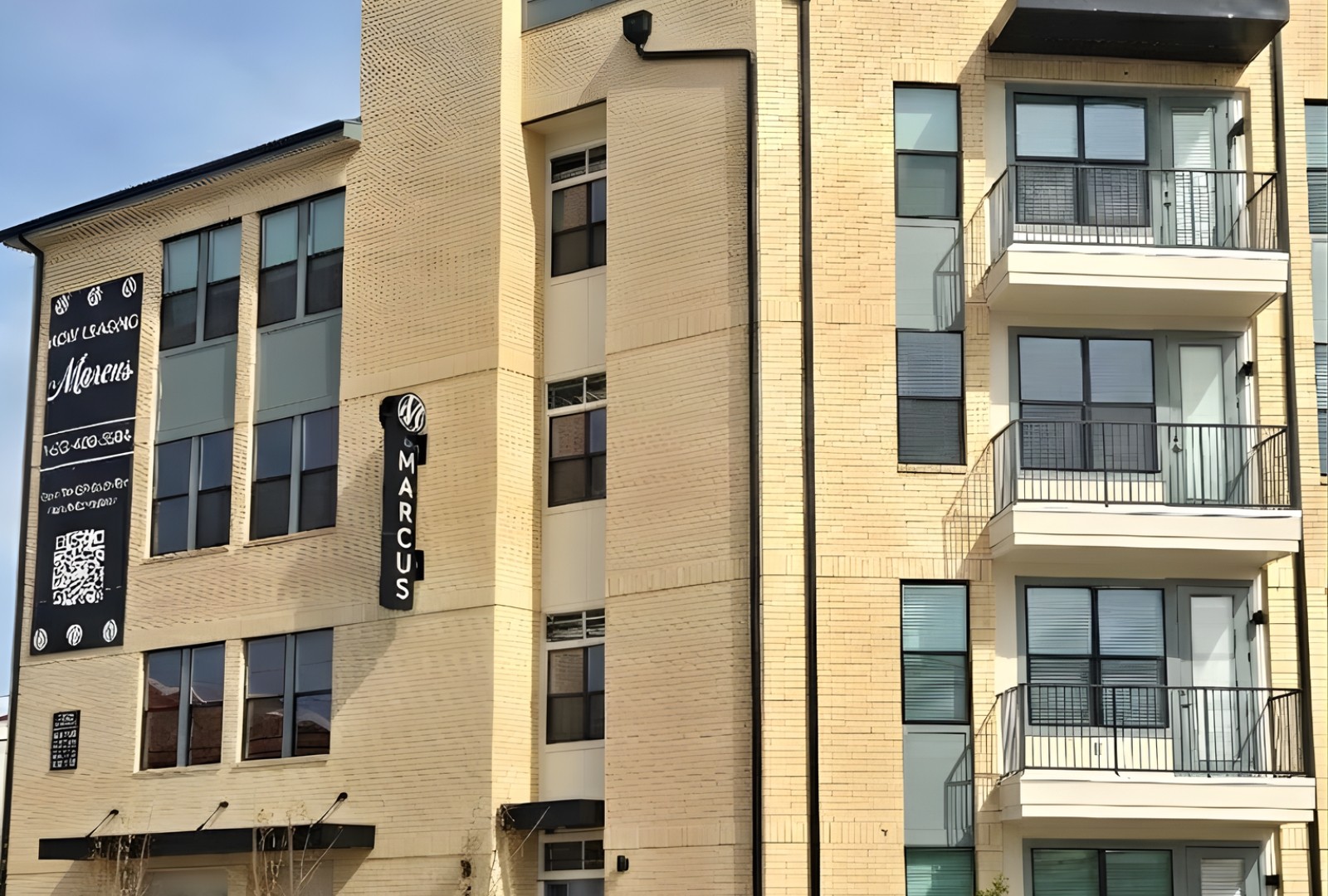
In August 2024, we hired a third-party GC for two ground-up apartment projects, the Marcus and the Parker. The pricing looked good. Below budget on both. The kind of numbers that make a proforma look clean. We moved forward.

Three months later, we discovered their general liability insurance had been cancelled while they were actively running two of our job sites. No notification. No warning. Workers on ladders, excavators running, and zero coverage.

How It Unraveled

When we dug deeper, the picture got worse. They had not been paying their subcontractors. They had not been paying the project superintendent. The pattern was clear in retrospect: aggressive pricing that was probably too low to sustain, followed by cash flow collapse that hit insurance premiums, subcontractor payments, and payroll simultaneously.

We terminated immediately. There was no other option. Two active construction sites with no liability coverage is not a business decision. It is an existential risk to every investor in the deal.

What followed was a scramble. Within 30 days, we engaged a replacement GC, executed new contracts, and developed a legal strategy to transition every subcontractor to fresh agreements without assuming the prior contractor's liabilities. We sent a formal demand for return of unearned funds. We notified our lenders and investors.

The projects survived. The Marcus is now complete, on time and under budget. The Parker is slightly behind schedule but on budget. The outcomes are fine. The experience was not.

What It Taught Us

Most sponsors hire a GC and hand over the keys. They review pay applications monthly. They visit the site occasionally. They trust that the contractor is solvent, insured, and paying their people. They have no system to verify any of it in real time.

When pricing comes in below budget, most sponsors celebrate. They do not ask why. They do not stress-test whether the number is sustainable. A bid that is 5 to 10 percent below market should trigger enhanced diligence: financial statements, bonding capacity, subcontractor references. Instead, it usually triggers a faster closing.

Why Alignment Cannot Be Contracted

The deeper lesson is about alignment. A third-party GC is optimizing for their margin, not your return. They are building your project, but they do not own the asset, they do not manage the building after, and they do not answer to your investors. When their economics get tight, your project is the first thing that suffers.

We formed Savoy General Contractors so that the people building our projects think like owners, because they are. Our GC division shares the same reporting structure, the same investor obligations, and the same incentive to deliver on time and on budget. When our construction team prices a project, they know that every dollar of overage comes out of the same returns they are accountable for.

That alignment is not something you can contract for with a third party. You either build it into your organizational structure or you hope for the best.

We tried hoping. It cost us months, legal fees, and the kind of stress that does not show up on a balance sheet. Forming our own GC was the return on that expense.

Other resources

Audience

Content Types

Topic
Owners

Blog

Renovation

The Headline Was the Foreclosure. The Real Story Was the Rebuild.

The foreclosure made news. The rebuild required security, evictions, construction, and unified execution. Here is how vertical integration stabilized 844 units and rebuilt value from 23 percent occupancy.

Learn more

Developers

Blog

New Construction

The $858,000 Fire Code Line Item Your GC Never Questioned

Most developers never question the line items their GC prices. Here is how treating an $858,000 fire code requirement as a policy issue protected returns and kept a Texas deal alive.

Learn more

Developers

Blog

New Construction

Renovation

Opportunity Zone

You Can't Reposition a Neighborhood with One Building

One building does not shift a market. Here is how concentrated ownership, internal construction, and integrated property management repositioned nearly 1,000 units across five years.

Learn more

Owners

Blog

Opportunity Zone

New Construction

The Year 1 Tax Benefit That Funds Itself 131 Times Over

Most investors understand depreciation in theory. Here is how a cost segregation study accelerated $3.7 million of basis and generated $656,000 in first-year tax savings.

Learn more

Owners

Blog

Renovation

Two Buildings, Same Neighborhood, 2.3x the NOI: The Case for Gut Renovation

Two identical-size buildings in the same neighborhood delivered radically different results. Here is how deeper renovation scope reduced expenses, stabilized performance, and doubled NOI.

Learn more

Owners

Blog

Property Management

Tenant Fraud Isn't Bad Luck. It's a Pattern with a Fix.

Fraud is not bad luck at scale. Here is how managing 6,000 units exposed an $8,000 per-tenant risk and how stricter screening reduced operating losses.

Learn more

Owners

Blog

Renovation

The Headline Was the Foreclosure. The Real Story Was the Rebuild.

The foreclosure made news. The rebuild required security, evictions, construction, and unified execution. Here is how vertical integration stabilized 844 units and rebuilt value from 23 percent occupancy.

Learn more

Developers

Blog

New Construction

The $858,000 Fire Code Line Item Your GC Never Questioned

Most developers never question the line items their GC prices. Here is how treating an $858,000 fire code requirement as a policy issue protected returns and kept a Texas deal alive.

Learn more

Developers

Blog

New Construction

Renovation

Opportunity Zone

You Can't Reposition a Neighborhood with One Building

One building does not shift a market. Here is how concentrated ownership, internal construction, and integrated property management repositioned nearly 1,000 units across five years.

Learn more

Owners

Blog

Opportunity Zone

New Construction

The Year 1 Tax Benefit That Funds Itself 131 Times Over

Most investors understand depreciation in theory. Here is how a cost segregation study accelerated $3.7 million of basis and generated $656,000 in first-year tax savings.

Learn more

Owners

Blog

Renovation

Two Buildings, Same Neighborhood, 2.3x the NOI: The Case for Gut Renovation

Two identical-size buildings in the same neighborhood delivered radically different results. Here is how deeper renovation scope reduced expenses, stabilized performance, and doubled NOI.

Learn more

Owners

Blog

Property Management

Tenant Fraud Isn't Bad Luck. It's a Pattern with a Fix.

Fraud is not bad luck at scale. Here is how managing 6,000 units exposed an $8,000 per-tenant risk and how stricter screening reduced operating losses.

Learn more

Owners

Blog

Renovation

The Headline Was the Foreclosure. The Real Story Was the Rebuild.

The foreclosure made news. The rebuild required security, evictions, construction, and unified execution. Here is how vertical integration stabilized 844 units and rebuilt value from 23 percent occupancy.

Learn more

Developers

Blog

New Construction

The $858,000 Fire Code Line Item Your GC Never Questioned

Most developers never question the line items their GC prices. Here is how treating an $858,000 fire code requirement as a policy issue protected returns and kept a Texas deal alive.

Learn more

Developers

Blog

New Construction

Renovation

Opportunity Zone

You Can't Reposition a Neighborhood with One Building

One building does not shift a market. Here is how concentrated ownership, internal construction, and integrated property management repositioned nearly 1,000 units across five years.

Learn more

Owners

Blog

Opportunity Zone

New Construction

The Year 1 Tax Benefit That Funds Itself 131 Times Over

Most investors understand depreciation in theory. Here is how a cost segregation study accelerated $3.7 million of basis and generated $656,000 in first-year tax savings.

Learn more

Owners

Blog

Renovation

Two Buildings, Same Neighborhood, 2.3x the NOI: The Case for Gut Renovation

Two identical-size buildings in the same neighborhood delivered radically different results. Here is how deeper renovation scope reduced expenses, stabilized performance, and doubled NOI.

Learn more

Owners

Blog

Property Management

Tenant Fraud Isn't Bad Luck. It's a Pattern with a Fix.

Fraud is not bad luck at scale. Here is how managing 6,000 units exposed an $8,000 per-tenant risk and how stricter screening reduced operating losses.

Learn more

Build with Certainty

Unlock Infinite Leverage with Savoy

Savoy combines three specialized divisions—Savoy Equity Partners, Savoy General Contractor, and Savoy Residential—under one roof, designed to deliver predictable execution, tighter budgets, and superior returns through a closed feedback loop.

Build with Certainty

Unlock Infinite Leverage with Savoy

Savoy combines three specialized divisions—Savoy Equity Partners, Savoy General Contractor, and Savoy Residential—under one roof, designed to deliver predictable execution, tighter budgets, and superior returns through a closed feedback loop.