New Construction
Opportunity Zone
Savoy Group
Created:
Feb 26, 2026
Last Updated:
Apr 16, 2026
Design Is an Operating Decision
Most multifamily units are designed by people who never operate them. The architect chases awards. The developer approves renderings. The GC builds to spec. Then a property manager inherits a building full of choices that look great in a pitch deck and fail in Year 2.
This is the disconnect that nobody talks about in multifamily development: the people making design decisions have no exposure to the data that reveals whether those decisions actually perform. They don't see the maintenance tickets. They don't track the turn costs. They don't know which finishes photograph well on a tour but drive callbacks within six months.
Savoy does. We manage roughly 6,000 units across the Texas Triangle. We also build ground-up. When we design a unit, we're not guessing what will lease and what will last — we're drawing on thousands of data points from the properties we already operate. That feedback loop changes every specification in the building.
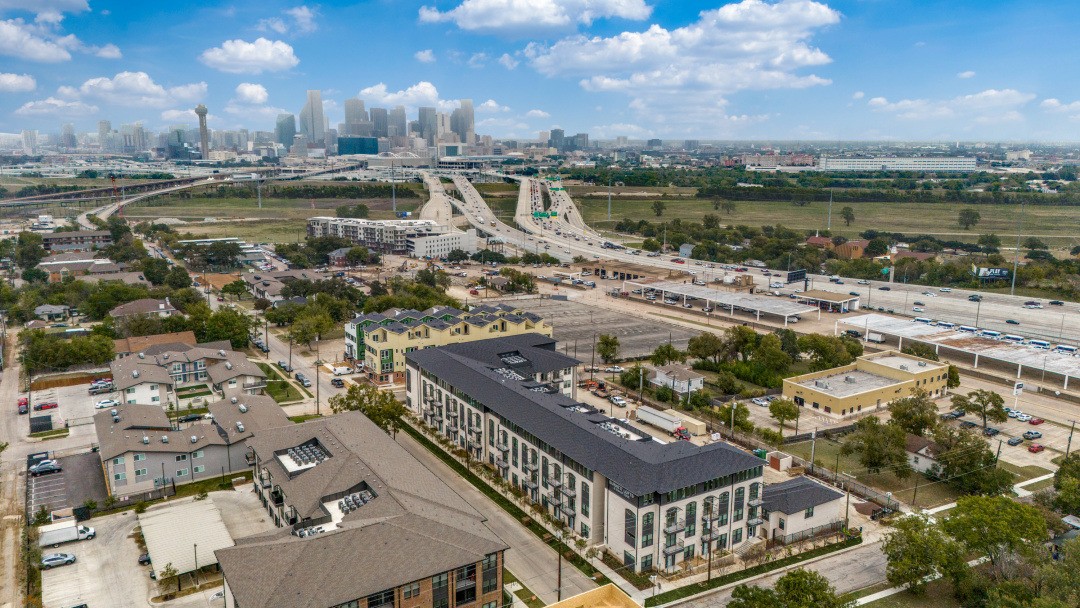
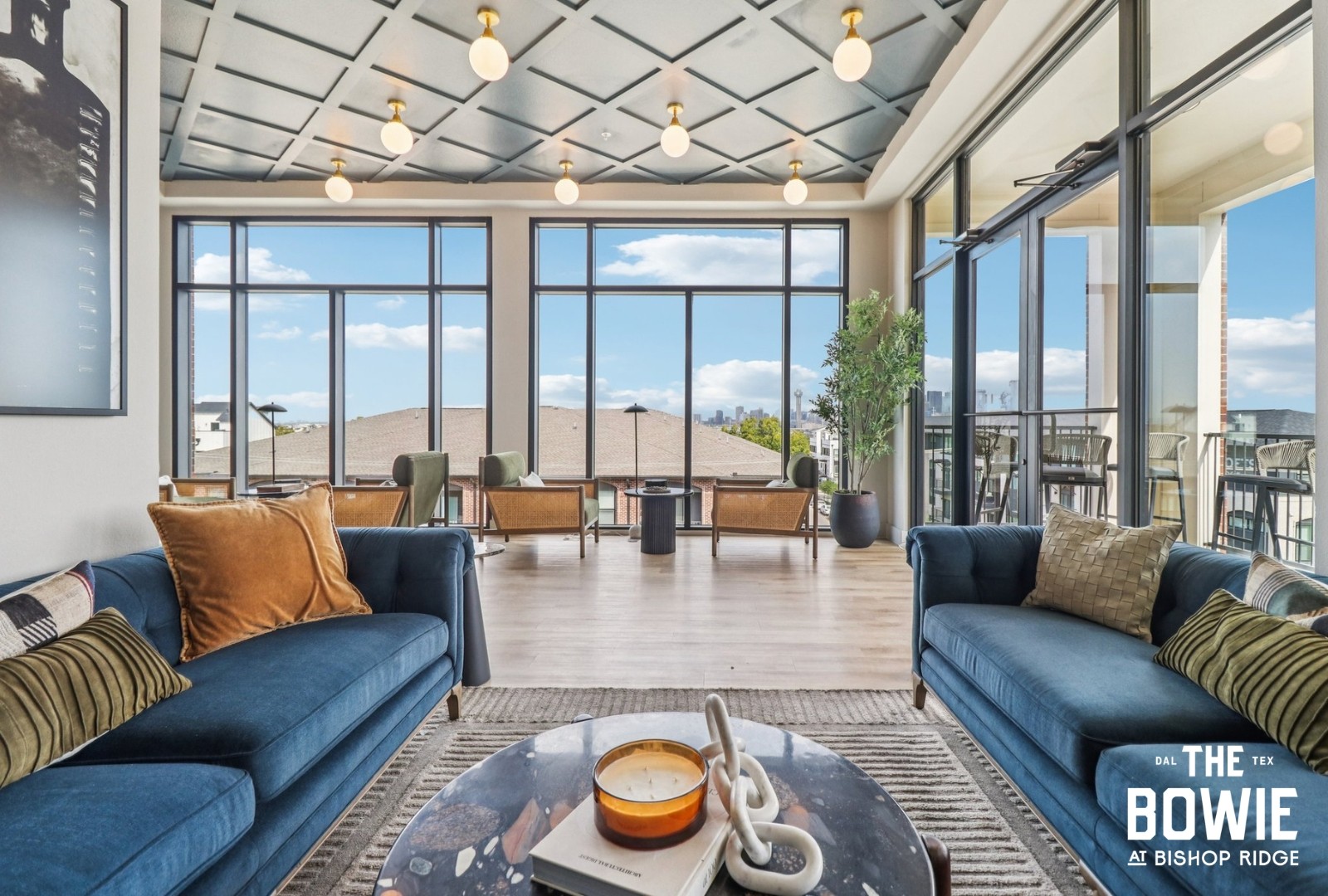
We just started pre-leasing The Marcus Apartments in The Cedars neighborhood in Dallas. Here's what changes when the builder also manages the asset.
The Kitchen Is an Operations Problem
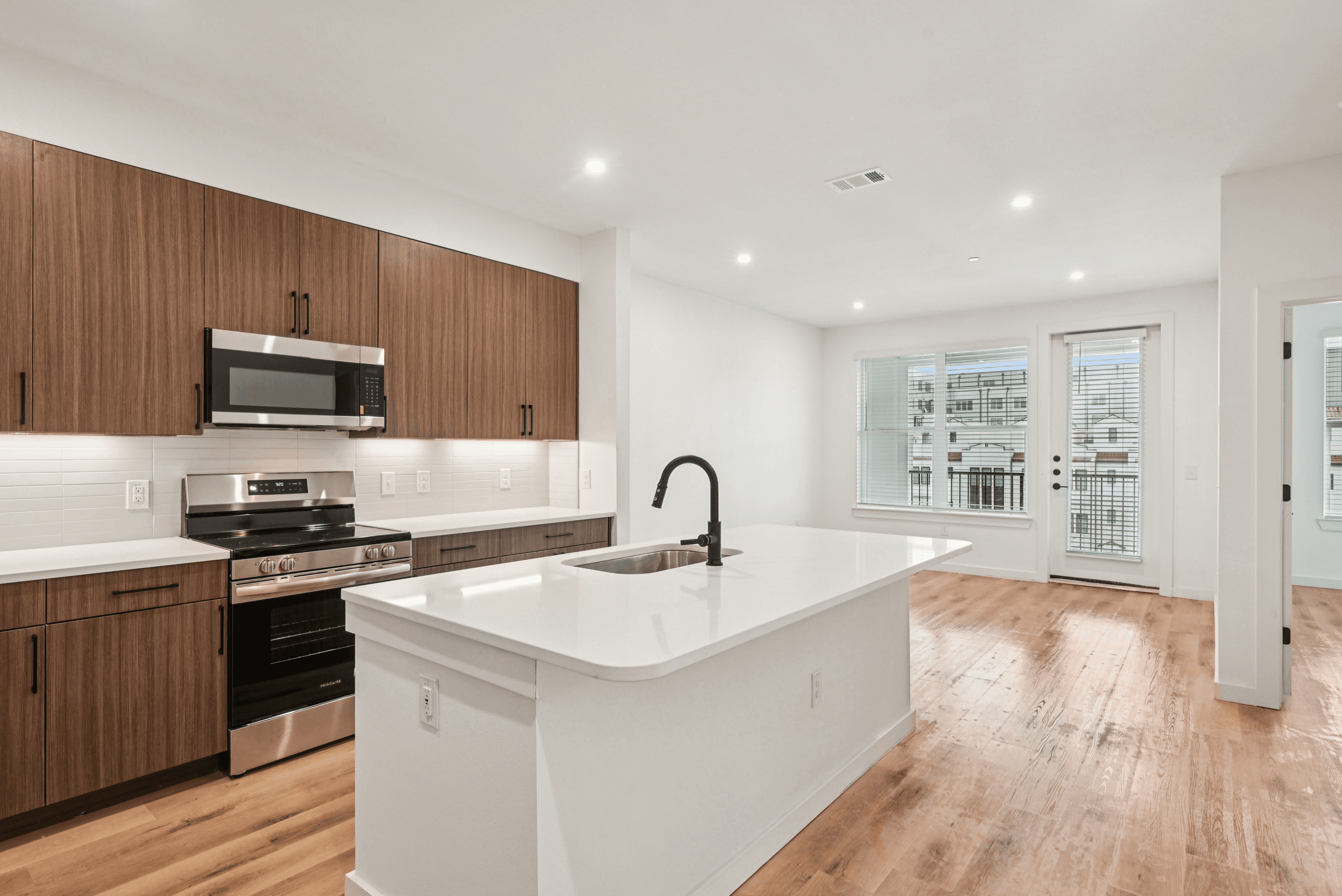
Designers love pendant lights over islands. Operators hate them. They break. They date the unit. They collect dust. We don't install them. Recessed cans give a cleaner look, last longer, and cost a fraction to replace during a turn.
Same logic on cabinetry. Standard upper cabinets stop short of the ceiling. That gap is dead space — a dust trap that cheapens the look and occasionally becomes a maintenance issue. We run cabinets to the ceiling. It eliminates soffit work, creates a built-in feel that photographs well, and removes a surface that never should have existed.
The rule is simple: stop spending CapEx on items that increase OpEx.
Bathrooms Lease Apartments
If you've managed enough lease-ups, you know this: the bathroom is the decision room. It's where prospects form their quality impression before they open a single drawer.
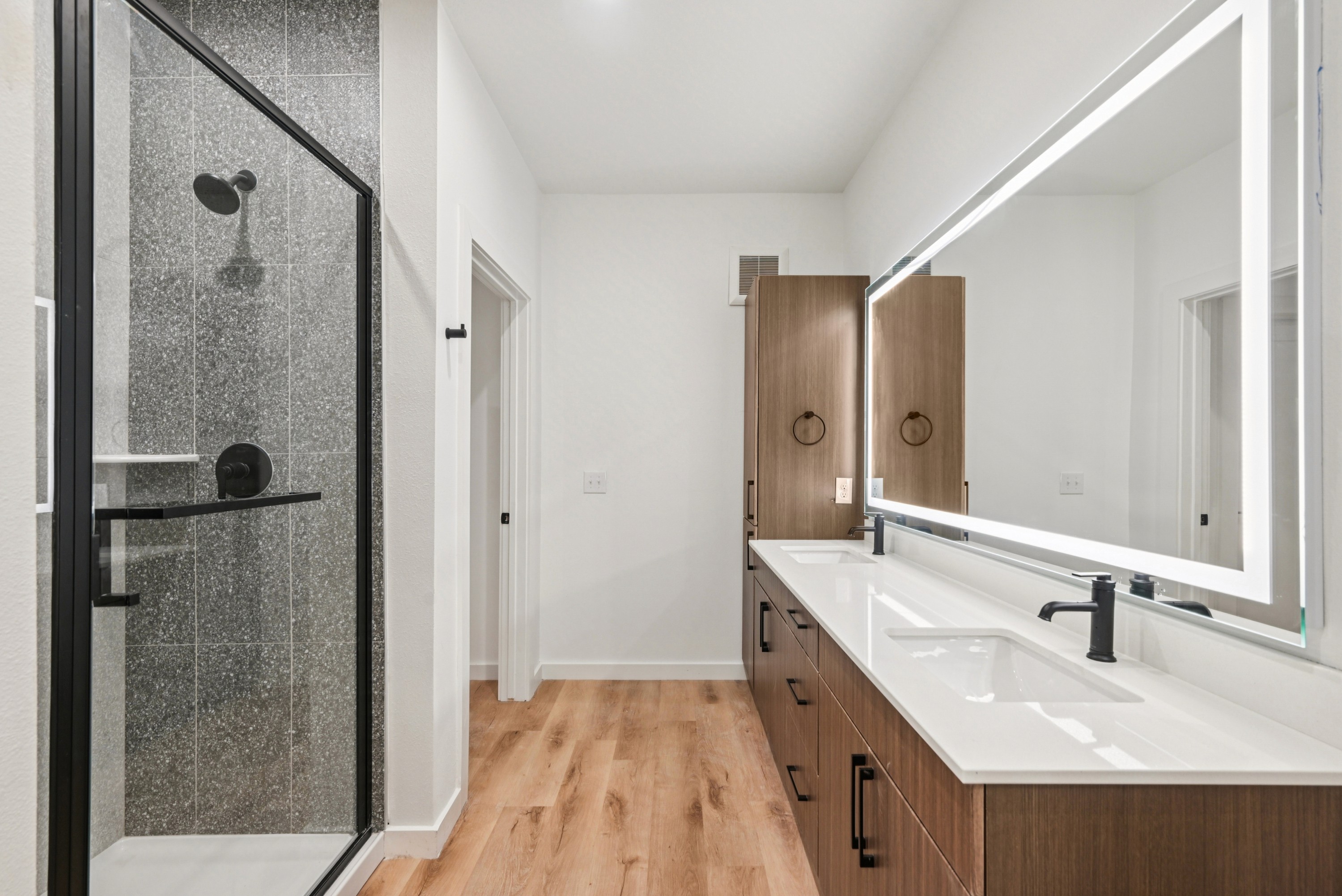
The highest-ROI upgrade we've found is the oversized LED mirror. Even light distribution. Larger visual space. It creates the "tech-forward" impression that resonates with the renter demographic in urban infill — and it does it without a single smart-home subscription.
We also broke from the standard tub-in-every-unit playbook. Adult renters in one-bedrooms overwhelmingly prefer showers. A glass-enclosed shower in a 1BR feels premium and frees square footage. We keep tubs in two-bedrooms for flexibility, but the revenue driver — the 1BR — gets the glass.
You only know this if you're tracking which unit types lease fastest and why. We are.
Invisible Livability
Tenants don't pay for square footage. They pay for how space works. And the details that close leases are often the ones that never make it into a rendering.
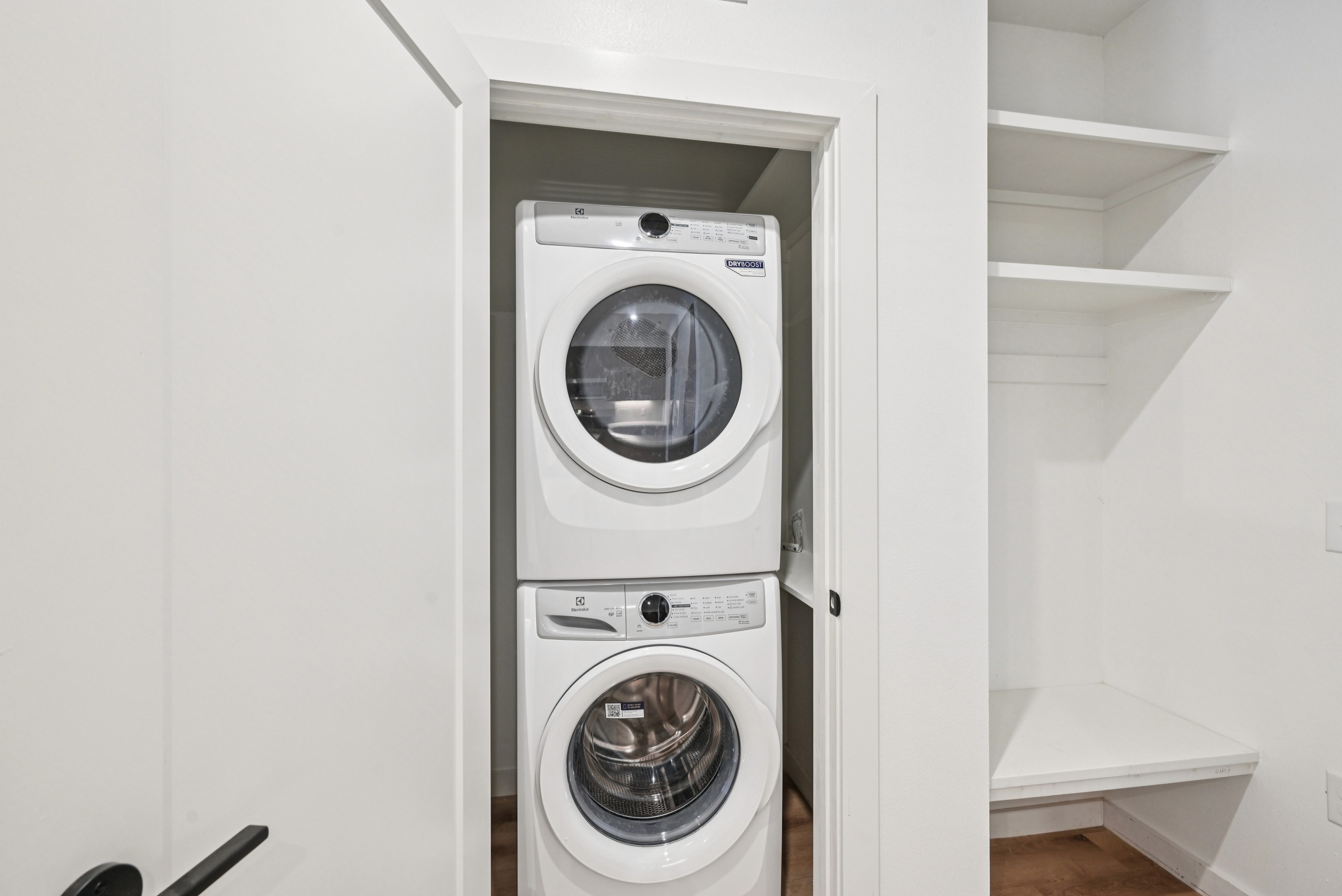
Urban apartments fail on storage. So at The Marcus, we added a dedicated landing zone near the entry — shoes, coats, bags, keys — along with additional open shelving in the bathrooms adjacent to oversized closets. It sounds minor. But when a prospect tours five buildings in a day, they remember the one that solved their daily friction.
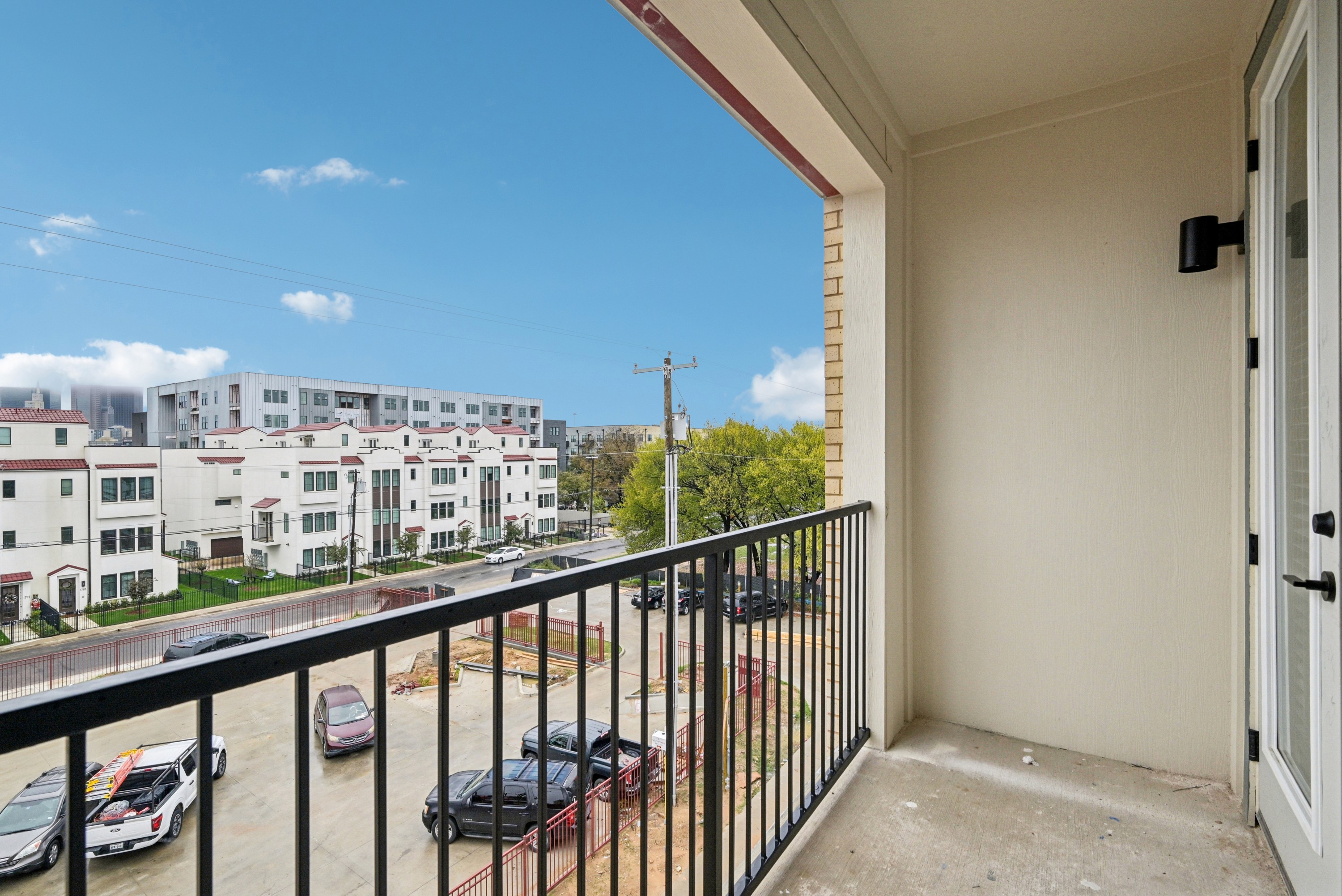
Same principle applies to outdoor space. Bolt-on balconies are too narrow, too exposed, and go unused. Inset, covered balconies are private, shaded, and deep enough for real furniture. They function as an outdoor room — not a place to store a dead plant.
These decisions don't come from a design charrette. They come from operating thousands of units and watching what residents actually use.
The Execution Problem
We've now completed six new-construction projects in Opportunity Zones. The lesson is consistent: you cannot execute this level of design specificity when you're negotiating every decision through a third-party GC's change order process.
When the builder and the operator are the same entity, the feedback loop is immediate. Our construction team knows what our property management team needs because they share data, not just a contract. We control the supply chain, the labor, and the outcome.
Design is not about aesthetics. Design is about yield — lease-up velocity, turn cost, maintenance load, and resident retention. Every finish, fixture, and layout decision either generates margin or destroys it. The only way to know which is which is to see both sides of the ledger.
That's what vertical integration actually looks like. Not a diagram. A building where every decision was made by someone who'll be accountable for how it performs.
This approach only works when design, construction, and operations sit under one roof. See our guide to vertically integrated multifamily companies in Texas for how the model plays out in practice.
Other resources
Audience
Content Types
Topic